

Master the Freestyle Stroke: Dive into Precision with Expert Techniques!
Hey there, fellow parents! If you’re looking to help your little one become a swimming sensation, mastering the freestyle stroke is a fantastic place to start. As a lifeguard and swim instructor, I’ve seen kids of all ages make waves with this essential swim skill, and I’m here to share some expert techniques to help your child become a freestyle pro!
Benefits of Mastering Freestyle Stroke
Let’s kick things off by talking about why learning the freestyle stroke is so important. Not only does it give your child a killer full-body workout, but it also sets them up for success in long-distance swimming and enhances their water safety skills. Plus, there’s something incredibly freeing about slicing through the water with precision and grace!
Understanding the Mechanics of Freestyle Stroke
Now, let’s dive into the nitty-gritty of the freestyle stroke. Picture this: your child gliding effortlessly through the water, arms slicing through the surface, and legs kicking in perfect rhythm. Achieving that level of precision starts with mastering a few key techniques.
Body Positioning: The foundation of a flawless freestyle stroke lies in maintaining the right body position. Encourage your child to keep their body straight and streamlined, with their head in line with their spine and their hips at the surface of the water. Think of them as a sleek torpedo, cutting through the water with minimal resistance.
Arm Technique: Next up, let’s talk arms. The freestyle arm technique is all about maximizing propulsion while minimizing drag. Encourage your child to reach forward with each stroke, extending their arm fully before pulling it back through the water in a smooth, S-shaped motion. It’s like they’re pulling themselves along a giant invisible rope!
Breathing Techniques: Breathing is a crucial aspect of the freestyle stroke, and mastering the art of rhythmic breathing can take your child’s swimming skills to the next level. Encourage them to turn their head to the side to take a breath as their arm sweeps past, then exhale underwater to release any built-up tension. It’s all about finding a comfortable rhythm that works for them.
Kick Technique: Last but not least, let’s talk about the kick. The freestyle kick should be quick and continuous, with minimal splashing and maximum propulsion. Encourage your child to keep their legs straight and their ankles relaxed, kicking from the hips with a fluttering motion. Think of it as a gentle, rhythmic flutter that propels them forward with ease.
Perfecting Your Freestyle Technique
Now that we’ve covered the basics, it’s time to dive into some expert techniques to help your child perfect their freestyle stroke.
Drills for Body Positioning: Start by practicing floating on their front and back, focusing on maintaining a straight and streamlined body position. Encourage them to experiment with different body angles and movements to find what feels most comfortable and efficient.
Drills for Arm Technique: Next, it’s time to fine-tune their arm technique. Try drills like catch-up drill, where one arm waits for the other to “catch up” before beginning the next stroke. This helps promote a smooth and continuous arm motion while also improving coordination.
Drills for Breathing: Breathing drills are essential for mastering rhythmic breathing. Try alternating breathing drills, where your child breathes to one side for a few strokes, then switches to the other side. This helps ensure they’re comfortable breathing on both sides and maintains a balanced stroke.
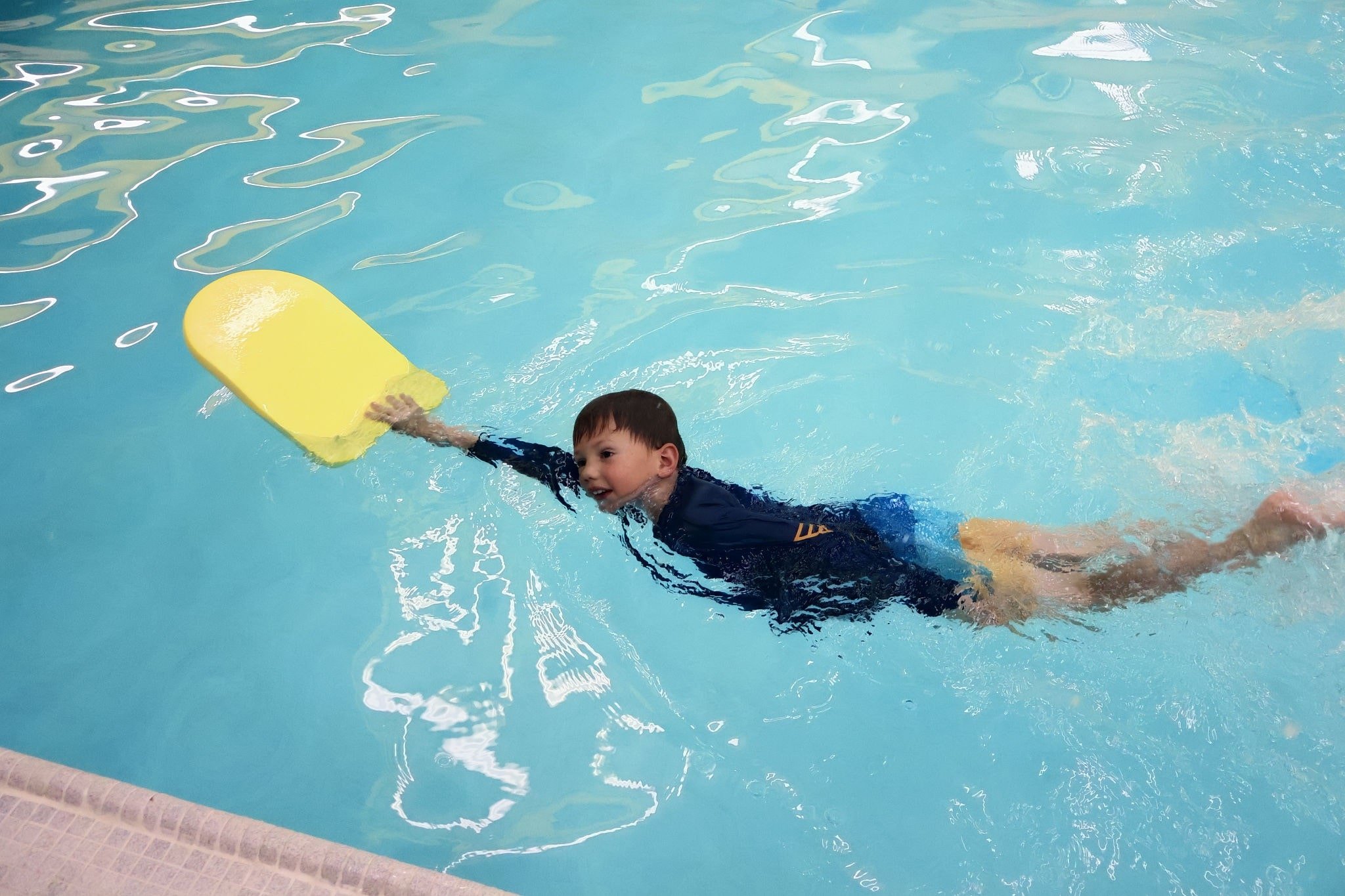
Drills for Kick Technique: Finally, focus on refining their kick technique. Try kickboard drills, where your child holds onto a kickboard and kicks across the pool while focusing on keeping their legs straight and their kick consistent. This helps build leg strength and endurance while also improving their kick technique.
Common Mistakes and How to Correct Them
Of course, learning the freestyle stroke isn’t always smooth sailing. Here are a few common mistakes to watch out for, along with some tips for correcting them:
Sinking Hips: If your child’s hips keep sinking below the surface, encourage them to focus on engaging their core muscles and maintaining a streamlined body position. Practice floating on their front and back to help improve buoyancy.
Overreaching Arms: Overreaching can lead to unnecessary strain and inefficiency in the stroke. Encourage your child to reach forward with each stroke, but avoid overextending their arms. Focus on a smooth and controlled arm motion that maximizes propulsion.
Holding Breath: Holding their breath can lead to tension and fatigue in the muscles. Encourage your child to exhale slowly and steadily underwater, releasing any built-up tension before taking a breath. Practice breathing drills to help them find a comfortable rhythm.
Ineffective Kick: A weak or ineffective kick can slow down their progress and hinder their overall performance. Encourage your child to focus on kicking from the hips with a quick and continuous motion. Practice kickboard drills to help strengthen their kick and improve their technique.
Tips for Parents to Support Learning
As parents, your support and encouragement play a vital role in your child’s swimming journey. Here are a few tips to help you cheer them on:
Encouragement and Positive Reinforcement: Shower your child with praise and encouragement, no matter how small their progress may seem. Positive reinforcement goes a long way in building confidence and motivation.
Practice Drills at Home: Take advantage of bath time or trips to the local pool to practice swimming skills at home. Even just a few minutes of practice each day can make a big difference in your child’s progress.
Enrolling in Swim Lessons: Consider enrolling your child in swim lessons with a qualified instructor. Professional guidance can provide valuable feedback and help your child develop proper technique and safety skills.
Overcoming Challenges
Learning the freestyle stroke – or any new skill, for that matter – can be challenging at times. Remind your child that it’s okay to make mistakes and that progress takes time and patience. Celebrate their successes and encourage them to keep pushing themselves to improve.
Safety Precautions
Last but certainly not least, safety should always be a top priority when it comes to swimming. Supervise your child at all times around water, and make sure they understand the importance of swimming in designated areas and using flotation devices when necessary.
Conclusion
So there you have it, folks – a beginner’s guide to mastering the freestyle stroke! With a little practice, patience, and a whole lot of enthusiasm, your child will be slicing through the water like a pro in no time. So grab those goggles, hit the pool, and get ready to make a splash!
Ready to help your child become a freestyle champ? Check out KJ Aquatics for expert swim instruction and a supportive learning environment. Dive into a world of aquatic fun and safety – sign up for lessons here today!


