
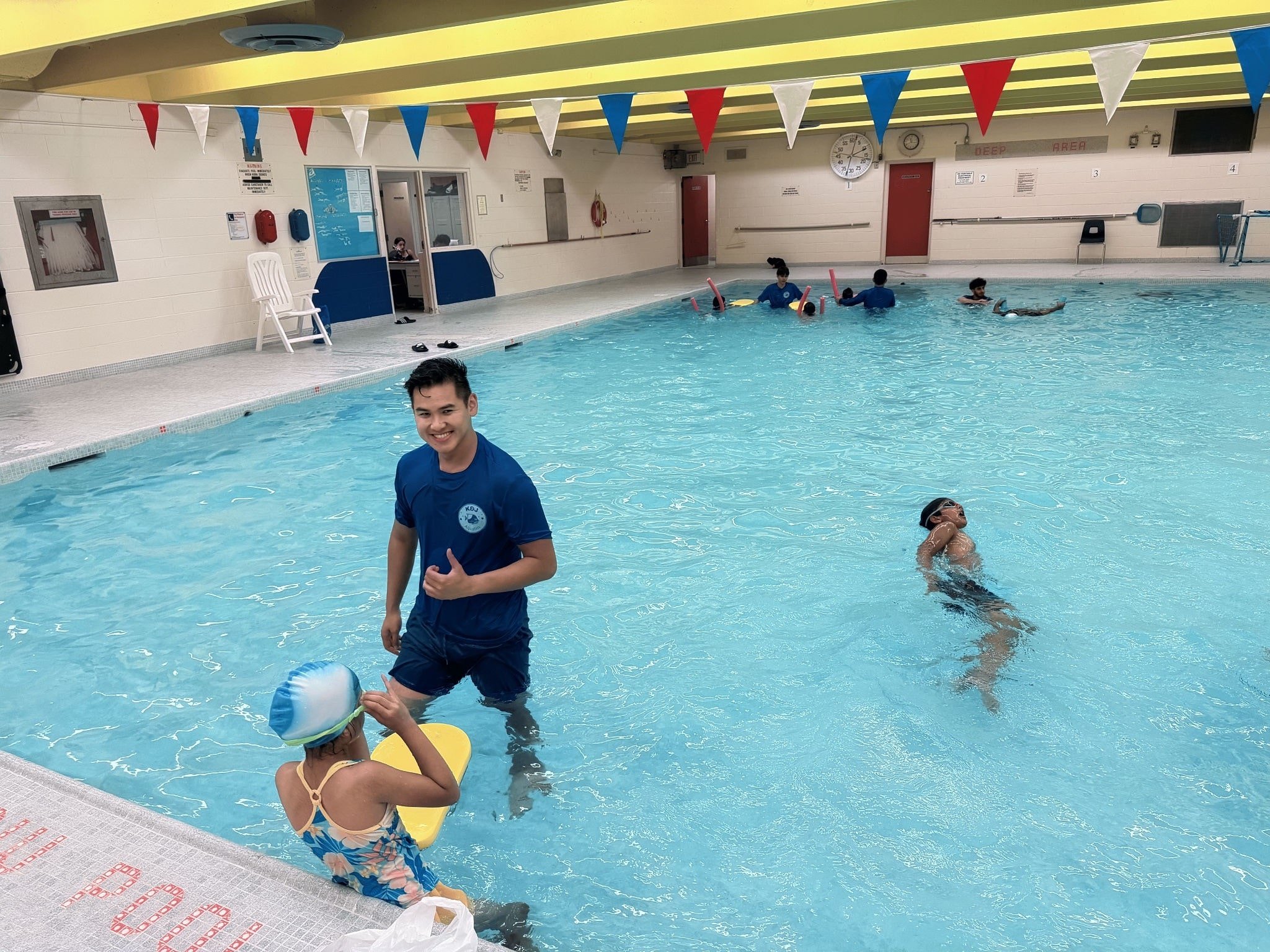

Shocking Truth: Are Swimming Lessons the Key to Your Child’s Water Safety?
As a lifeguard and swim instructor, I’ve seen firsthand the importance of teaching children how to swim. In fact, it’s one of the most effective ways to ensure their safety in and around water. But I also know that as parents, you might wonder: Is the necessity of swimming lessons for safety really something I should prioritize? After all, some kids seem naturally fearless in the pool, and others may be hesitant or nervous. But trust me, investing in swim lessons isn’t just about helping kids become Olympic swimmers—it’s about giving them the tools to stay safe in the water and feel confident while doing it.
Let’s dive into why the necessity of swimming lessons for safety is so crucial, how they help with water safety, and what you can do to keep your little ones safe in and around the water.
The Importance of Water Safety
Water-related accidents are more common than many parents realize, and the sad truth is that drowning is one of the leading causes of unintentional death in children. According to the Centers for Disease Control and Prevention (CDC), drowning is the second leading cause of death for children ages 1 to 4 and the third leading cause for children ages 5 to 14. That’s why water safety needs to be a priority for every family, especially if you have a pool at home or visit lakes, beaches, or community pools frequently.
I’ve seen it all—kids who panic when they fall into the water, those who can’t get out of the pool because they don’t know how to climb the ladder, and others who struggle with basic swimming skills that could help them stay safe in an emergency. These situations could be avoided with proper swimming instruction. That’s why the necessity of swimming lessons for safety cannot be overstated.
How Swimming Lessons Improve Water Safety
You might be thinking, “Why can’t my child just learn by playing in the water? Isn’t that enough?” While some kids can naturally pick up basic skills by splashing around, swim lessons go beyond just getting wet. Here’s why the necessity of swimming lessons for safety is so important:
1. Teaching Essential Skills
Swimming lessons teach children the basic skills they need to stay safe in the water. These skills include:
- Floating and treading water: If your child can float on their back or tread water, they’ll have a much better chance of staying calm and keeping their head above water if they get into trouble.
- Breath control: Learning to hold their breath and regulate their breathing underwater is crucial, especially if they ever fall into a pool unexpectedly.
- Swimming to safety: By teaching kids to swim to the edge of the pool or to a lifeguard, they gain the ability to help themselves in a stressful situation.
I had a young student once who was initially terrified of putting her face in the water. After a few lessons focusing on breathing exercises and floating, she was able to relax enough to practice swimming short distances. One day, she accidentally slipped off the poolside and panicked for a moment—until she remembered her floating skills and calmly turned onto her back to stay afloat. That moment was a game-changer for her confidence.
2. Building Confidence and Comfort in the Water
The more children are exposed to the water in a controlled, supervised setting, the more comfortable and confident they become. This confidence helps them to stay calm and think clearly if they find themselves in an unexpected situation.
When I first started teaching swim lessons, I remember a little boy named Lucas who was terrified of the water. He would cry as soon as he saw the pool. But after just a few weeks of gentle exposure, he started to trust his instructor (and the water) more. By the end of the session, Lucas was swimming short distances, and his fear had completely turned into excitement.
What Do Kids Actually Learn in Swimming Lessons?
Now, you might be wondering exactly what your child will learn in their swim lessons. While each swim school has its own curriculum, most lessons cover similar water safety and swimming basics. Here’s a breakdown of some key skills your child will likely develop in their classes:
For Younger Children (Ages 1-5)
- Water acclimation: Getting comfortable in the water through play-based activities like splashing, kicking, and floating.
- Breath control: Teaching little ones how to hold their breath and blow bubbles to prepare for submerging their face in the water.
- Basic floating: Even babies and toddlers can learn to float with the right support and supervision.
For Older Children (Ages 5-12)
- Treading water and survival skills: This is where kids begin learning how to stay afloat for longer periods of time and how to move efficiently in the water to reach safety.
- Basic strokes and techniques: As children grow more comfortable, they’ll learn the fundamentals of strokes like freestyle and backstroke, as well as how to glide through the water.
- Safety rules: Swim lessons teach important water safety rules, like never swimming alone, never diving into unknown water, and always asking an adult before entering a pool.
The Role of Parents in Water Safety
As much as swim lessons are important, parents still play a huge role in water safety. In fact, no lesson can replace constant supervision around water. Here are some ways parents can enhance water safety:
1. Always Supervise
Even if your child knows how to swim, it’s essential to stay vigilant. Drowning can happen in the blink of an eye, often silently. I once had a situation where a child was swimming in a shallow part of the pool and simply got too tired to continue. He didn’t cry out for help—he just slipped under the water without anyone noticing right away. Fortunately, a lifeguard was nearby and rescued him, but it was a powerful reminder of the importance of constant supervision.
2. Create a Water Safety Plan
Beyond lessons, consider other safety measures like installing a pool fence, having gate alarms, and ensuring your child understands basic pool rules (e.g., no running or diving in shallow water). You can also take a CPR course to know how to respond in an emergency. The more prepared you are, the more confident you’ll feel.
3. Be a Role Model
Kids learn by example, so model safe water behavior yourself. Show your children how to enter and exit the pool safely, always wear a life vest if you’re boating, and avoid risky behaviors like swimming too far from shore or diving in unknown areas.
What Happens if My Child Doesn’t Take Swimming Lessons?
I get it—sometimes lessons seem like a lot to commit to, especially with busy schedules or tight budgets. But here’s the reality: Not taking swim lessons significantly increases the risk of water-related accidents. Without basic swimming skills, children are more likely to panic if they fall into the water, struggle to stay afloat, or fail to recognize dangerous situations like strong currents or deeper water.
I once worked with a child who had never had formal lessons. When we went over basic floating techniques, she couldn’t stay on her back for more than a few seconds. It wasn’t because she wasn’t a strong swimmer—it was simply because she hadn’t been taught what to do in an emergency situation. Thankfully, we were able to teach her these skills in just a few lessons, but it made me realize just how important it is for children to learn the necessity of swimming lessons for safety before they’re ever in a dangerous situation.
Final Thoughts: The Lifelong Impact of Swimming Lessons
Swimming lessons don’t just provide water safety skills—they can empower children in all aspects of life. From physical coordination to mental resilience, the benefits of swim lessons last a lifetime. And beyond that, they open doors to fun activities like summer camps, water sports, and even competitive swimming if your child enjoys it.
The best time to start is as soon as possible. Even young children can begin with basic water acclimation, and the earlier they become comfortable in the water, the better. So don’t wait for a scary close call—get your child enrolled in swim lessons today, and give them the tools they need to stay safe in and around water.
Remember, the necessity of swimming lessons for safety is a lifelong commitment, but the peace of mind it brings is priceless. So, dive in, and let your child’s swim lessons be the first step toward a lifetime of fun and safe swimming.


