
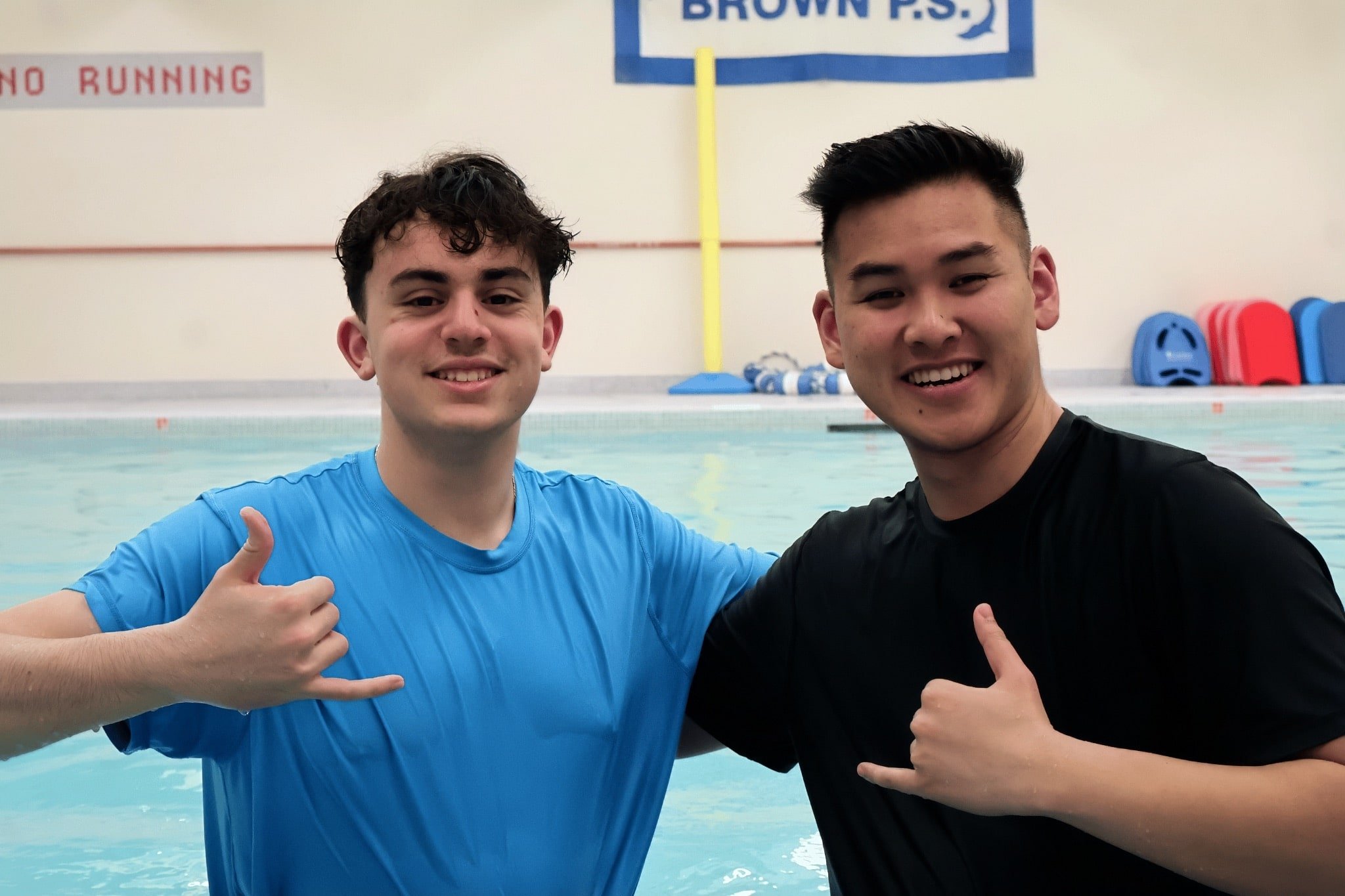

Why Age Doesn’t Matter: Adults Can Learn to Swim in Just Weeks
Learning to swim as an adult is an empowering journey, but the time it takes can vary greatly depending on several factors. These include individual goals, prior experience, comfort level in water, and the quality of instruction. Whether you’re aiming to float confidently or master specific strokes, let’s dive into what you can expect when starting your swimming journey.
Factors That Influence Learning Time
1. Starting Skill Level
- Complete Beginners: If you’ve never set foot in a pool before, learning foundational skills like floating and breathing might take a bit longer. Most beginners need about 10–20 hours of focused lessons to build basic comfort in the water.
- Some Experience: Adults who are comfortable in water but need help with technique often learn faster. Improving basic strokes or breathing techniques might take 5–10 hours of lessons.
2. Comfort in Water
Fear or anxiety around water can extend the learning timeline. Overcoming these fears is the first step and can take several hours of practice and encouragement. However, once comfort is achieved, progress tends to accelerate.
3. Lesson Frequency
Consistency is key. Adults who attend regular swimming lessons, such as twice a week, will generally learn faster than those attending sporadically. Practicing skills outside of lessons can also speed up progress.
4. Personal Goals
Your objectives will shape how long it takes to learn:
- Floating and Treading Water: Typically achievable within 4–6 hours of lessons.
- Basic Strokes (Freestyle and Backstroke): May require 10–20 hours, depending on coordination and fitness levels.
- Advanced Strokes or Competitive Swimming: Learning butterfly or refining advanced techniques can take months of practice and coaching.
A Typical Timeline for Adult Beginners
Week 1: Getting Comfortable
During the first few lessons, the focus is on gaining confidence in the water. Activities may include submerging your face, learning to float, and practicing breathing techniques.
Week 2–3: Basic Water Skills
After overcoming initial fears, you’ll start learning foundational skills like treading water and kicking. These are the building blocks for swimming strokes.
Week 4–6: Learning Freestyle
By this stage, most adults can attempt freestyle swimming. Coordination of arm movements, breathing, and kicking requires practice, but many learners see significant improvement in this period.
Week 7–12: Refining Technique
With consistent practice, strokes become more fluid and efficient. You may also begin learning backstroke or breaststroke during this phase.
Tips to Speed Up the Learning Process
1. Find a Good Instructor
A skilled instructor can make all the difference. Look for someone patient, knowledgeable, and experienced in teaching adults.
2. Practice Regularly
Repetition is essential. Try to practice at least twice a week, even if it’s just practicing floating or kicking outside of formal lessons.
3. Use the Right Equipment
Gear like kickboards, pool noodles, or goggles can help you feel more secure while learning new skills.
4. Focus on Breathing
Proper breathing is often the most challenging aspect of swimming for adults. Spend extra time practicing exhaling underwater and timing your breaths.
Overcoming Common Challenges
Fear of Water
Fear is a common barrier for adult learners. Start in shallow water with gradual immersion and work at your own pace. Trust your instructor and celebrate small victories.
Coordination Issues
Swimming requires the synchronization of arms, legs, and breathing. Break down each stroke into smaller components and practice each separately before combining them.
Limited Time
Even with a busy schedule, you can make progress by committing to short, focused sessions. Group classes, private lessons, or online resources can fit into most lifestyles.
Success Stories to Inspire You
Many adults start with little or no swimming experience and go on to become confident swimmers. One common thread among success stories is persistence. Remember, it’s never too late to learn, and every lesson gets you closer to your goal.
Conclusion
So, how long does it take for an adult to learn swimming basics? The answer depends on your starting point, commitment, and goals. Most adults can achieve basic swimming proficiency in 10–20 hours of lessons, spread over a few weeks or months. Advanced skills may take longer, but with dedication, you’ll make steady progress.
Ready to take the plunge? Explore our swimming programs for adults and start your journey today. Remember, every stroke brings you closer to confidence and freedom in the water.


