
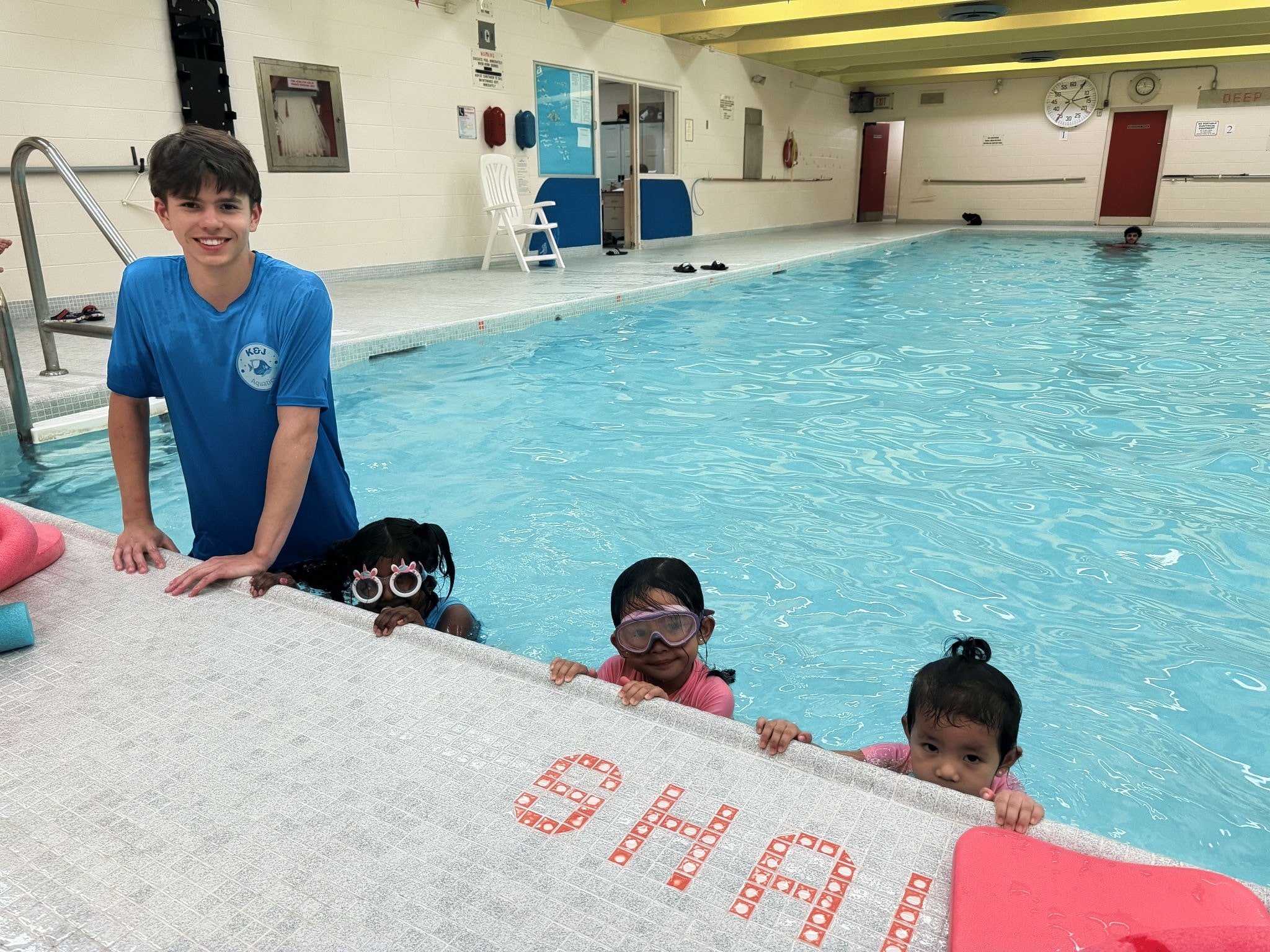

Swimming is an essential life skill, and introducing children to water at an early age can build their confidence, coordination, and safety awareness. However, as beneficial as swimming is, safety must always be the top priority. When searching for “kids swimming lessons near me,” parents should be aware of the safety measures that professional facilities and instructors put in place. In this article, we’ll explore key safety practices in swimming classes for kids, what to look for in a child swim instructor, and how parents can contribute to a safe learning environment.
Why Safety Matters in Swimming Classes for Kids
Children are inherently curious and possess a boundless energy, traits that can occasionally lead to potentially dangerous situations, particularly in and around water. Drowning remains one of the leading causes of accidental injury-related deaths among children aged 1 to 14, highlighting the urgent need for effective preventative measures.
This reality underscores the importance of “learn to swim for kids” programs that teach essential swimming skills and implement rigorous safety protocols. These protocols should include measures such as constant adult supervision, clear water safety guidelines, and the use of properly fitted life jackets when necessary. Such comprehensive safety practices not only safeguard children from the risks of drowning but also foster an encouraging environment where they can confidently explore and enjoy the learning experience of swimming.
These programs aim to empower children by combining education with robust safety measures, ensuring they develop the skills and awareness to navigate water safely.
Certified Child Swim Instructors Make a Difference
Qualifications to Look For
- Red Cross or nationally recognized certification
- CPR and First Aid training
- Experience working specifically with children
- Positive, patient, and clear communication skills
A certified child swim instructor ensures that your child receives professional guidance that is both effective and safe.
Student-to-Instructor Ratio
Look for programs that maintain low student-to-instructor ratios. Ideally, there should be no more than 4-6 children per instructor in beginner classes. This allows for personalized attention and quicker intervention in case of emergencies.
Safety Features of Swimming Facilities
Clean and Well-Maintained Pools
Hygiene and cleanliness go hand-in-hand with safety. Water quality should be tested regularly to ensure it is safe for children. Surrounding areas like changing rooms and pool decks should also be clean and slip-resistant.
Depth and Pool Design
Shallow entry points, gradual depth transitions, and clearly marked depth indicators contribute significantly to the safety of kids’ swimming lessons.
Emergency Equipment and Lifeguards
Always ensure that the facility has visible emergency equipment, such as life rings, first aid kits, and an AED (Automated External Defibrillator). A certified lifeguard should always be on duty during classes.
Teaching Safety Rules Alongside Swimming Techniques
Teaching children to swim goes beyond strokes and kicks. It includes educating them on water safety. This includes:
- Entering and exiting the pool safely
- Recognizing danger signs and signals
- Never swim without adult supervision
- Understanding the importance of pool rules
How Parents Can Support Water Safety
Attend the First Few Classes
Watching your child’s initial lessons allows you to observe the environment, instructor behaviour, and class structure. This can help you assess the safety measures in place and ensure that your child is comfortable and safe during the lessons. It also provides an opportunity to understand the teaching methods and how safety is integrated into the learning process.
Reinforce Safety at Home
Practice water safety rules at home, especially if you have a backyard pool or take trips to lakes and beaches.
Encourage Open Communication
Let your child know it’s okay to express fear or discomfort. This ensures they don’t hide issues that could compromise their safety.
Common Questions About Swimming Classes for Kids
Q1. What Age Should My Child Start Swimming Lessons?
A: Most programs offer lessons for children as young as 6 months. However, formal instruction typically begins between 3 and 5 years of age.
Q2. How Do I Find the Best “Kids Swimming Lessons Near Me”?
A: Look for reviews, visit facilities, and speak directly with instructors. Ensure the program follows all safety protocols and has positive testimonials from other parents.
Q3. What Should My Child Bring to Class?
A: A well-fitting swimsuit, swim cap, towel, and goggles. Some classes may also require swim diapers for younger children.
Q4. How Can I Tell If a Program Is Safe?
A: Check for certified instructors, low student-to-instructor ratios, lifeguards on duty, clean facilities, and clearly outlined safety policies.
Conclusion
Enrolling your child in swimming classes is one of the best investments you can make in their safety and development. However, it’s important to ensure that those classes prioritize safety as much as skill-building. From certified child swim instructors to well-maintained facilities and parent involvement, multiple factors contribute to a secure and enriching environment. So the next time you search for “kids swimming lessons near me,” make safety your top filter. With the right program, your child will learn to swim and do so in a way that keeps them protected and confident in the water.


