
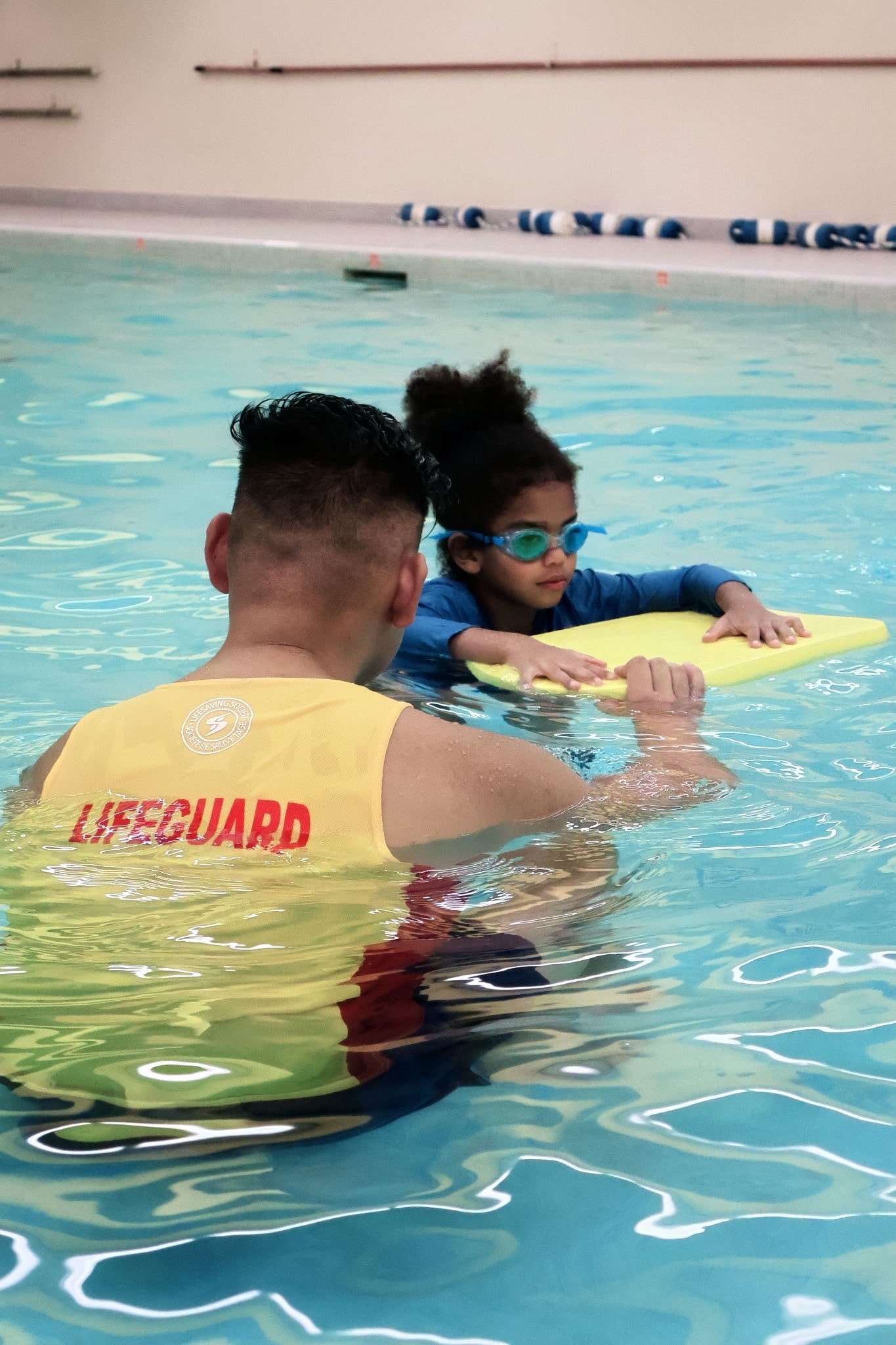

Swimming is more than just a life skill—it’s a lifelong source of fitness, fun, and safety. In a city like Toronto, where community pools, aquatic centers, and waterfronts are abundant, learning to swim is both practical and rewarding. Whether you’re looking to overcome a fear of water, improve your strokes, or master essential swimming techniques, swimming lessons in Toronto offer structured guidance for all ages and skill levels.
Let’s explore the top swimming techniques taught in Toronto’s most trusted classes and why these methods form the foundation of effective water movement.
Why Learn Proper Swimming Techniques?
Before diving into specific strokes, it’s important to understand why proper technique matters. Good form ensures that you move efficiently through the water, reduces fatigue, and minimizes the risk of injury. In professional settings, mastering swimming techniques can make the difference between a recreational swimmer and a competitive athlete.
Instructors in Toronto focus on technique first, ensuring that students build confidence and competence from the ground up.
1. The Front Crawl (Freestyle)
The front crawl is one of the fastest and most efficient swimming techniques taught in Toronto classes. It’s often the first competitive stroke swimmers learn due to its speed and energy efficiency.
Key Features:
- Alternating arm strokes with a flutter kick
- Rhythmic side breathing
- The body is streamlined and parallel to the water
During swim classes, instructors place a heavy emphasis on arm rotation, head positioning, and breathing patterns. With consistent practice, students develop a smooth rhythm that helps them glide through the water with ease.
2. The Backstroke
Backstroke is a popular stroke that allows swimmers to breathe freely while focusing on body alignment and coordination.
What You’ll Learn:
- Flutter kick is similar to the front crawl
- Arms move in a windmill-like motion
- Eyes look upward while ears remain in the water
One of the biggest challenges in this technique is staying straight without visual cues. Instructors often use lane markers and wall taps to help swimmers correct their direction. It’s also a great stroke for building endurance and strengthening core muscles.
3. The Breaststroke
The breaststroke is a slower-paced stroke, making it ideal for beginners. However, mastering its timing and symmetry requires attention to detail.
Focus Points:
- Frog-like kick paired with sweeping arm motion
- Glide phase after each stroke
- Inhale during the stroke and exhale underwater
In beginner swim lessons Toronto, breaststroke is commonly introduced early because of its relaxed pace and visibility. It promotes water confidence and helps students build their breathing skills.
4. The Butterfly Stroke
Known for its power and rhythm, the butterfly stroke is considered one of the most challenging swimming techniques to learn. Yet, it’s also one of the most rewarding once mastered.
Breakdown:
- Synchronous arm movements
- Dolphin kick from the hips
- Breath taken during arm recovery
Toronto instructors introduce this stroke gradually, starting with dolphin kick drills and arm motions practiced separately. Once students grasp the rhythm, instructors help them combine both movements for full-stroke execution.
5. Elementary Backstroke
This stroke is often taught in early swim classes because it offers a calm and controlled swimming method. It’s perfect for swimmers who are still building confidence in deeper water.
Technique Includes:
- Simultaneous arm and leg movement (like a starfish)
- Arms sweep out and back while legs perform a whip kick
- The head remains above water at all times
It’s commonly used as a “resting stroke” during long swim sessions, and it serves as a foundation for more complex backstroke variations later on.
6. Sidestroke
While not often used in competitive swimming, sidestroke is a valuable skill taught in many Toronto classes for safety and lifesaving purposes.
Key Elements:
- The swimmer lies on one side with a scissor-like kick
- One arm pulls while the other rests on the body
- The head stays above the water throughout the stroke
Lifeguards and first responders often use this technique for water rescues, and it’s a useful tool for anyone looking to conserve energy in the water.
What Makes Toronto Swim Classes Stand Out?
Toronto offers a wide range of options for swimmers at every level. From community recreation centers and private swim schools to elite training facilities, each offers structured programs led by certified instructors.
Here’s why Toronto’s programs are so effective:
- Individualized Attention: Instructors tailor lessons based on each student’s strengths and weaknesses.
- Safety First: Classes begin with water safety principles, especially for children and first-time swimmers.
- Progressive Learning: Each level builds on previous skills, ensuring smooth transitions from one technique to the next.
- Inclusive Environment: Toronto’s swim programs are welcoming to all ages, cultures, and abilities.
Benefits of Learning Multiple Techniques
Knowing more than one swimming stroke isn’t just impressive—it’s practical. Different strokes serve different purposes, from endurance building to lifesaving. Having a versatile skillset ensures you’re prepared for all kinds of water environments, whether you’re swimming in a pool, lake, or ocean.
Here are a few benefits of learning multiple techniques:
- Enhances full-body muscle development
- Improves lung capacity and cardiovascular health
- Allows swimmers to switch strokes when fatigued
- Builds confidence in various aquatic conditions
For Beginners: What to Expect
If you’re just getting started, don’t worry—beginner swim lessons Toronto are designed to help you feel at ease in the water. Most courses begin with floating, breathing, and water treading before progressing to full-stroke training.
You’ll also learn how to:
- Enter and exit the pool safely
- Use kickboards and swim aids
- Control your breath and reduce anxiety
With consistent instruction and practice, even the most hesitant swimmer can gain confidence and skill.
Maintaining Your Technique
Swimming, like any other physical activity, requires ongoing practice. After completing your lessons, you’ll want to maintain your technique by swimming regularly, joining open swim sessions, or even taking part in local swim clubs.
Toronto offers plenty of public pools and swimming centers where you can refine your skills, track your progress, and stay active.
Final Thoughts
Whether you’re chasing fitness goals, preparing for a vacation, or simply seeking a new hobby, learning the right swimming techniques is essential. Toronto’s swim classes offer an excellent foundation, from basic strokes to advanced methods like butterfly and sidestroke.
Enrolling in a quality program ensures not only proper technique but also builds discipline, endurance, and water safety. With the guidance of professional instructors and a supportive environment, you’ll be well on your way to becoming a strong, confident swimmer.
So, grab your goggles and towel—it’s time to make a splash with the top swimming techniques taught in Toronto.


