Build confident, efficient breathing patterns that support speed, endurance, and control in the water. KJ Aquatics coaches teens to time breaths correctly, reduce drag, and stay relaxed during every stroke. Sessions are practical, focused, and tailored to real swim goals—book a lesson and feel the difference in your next lap.
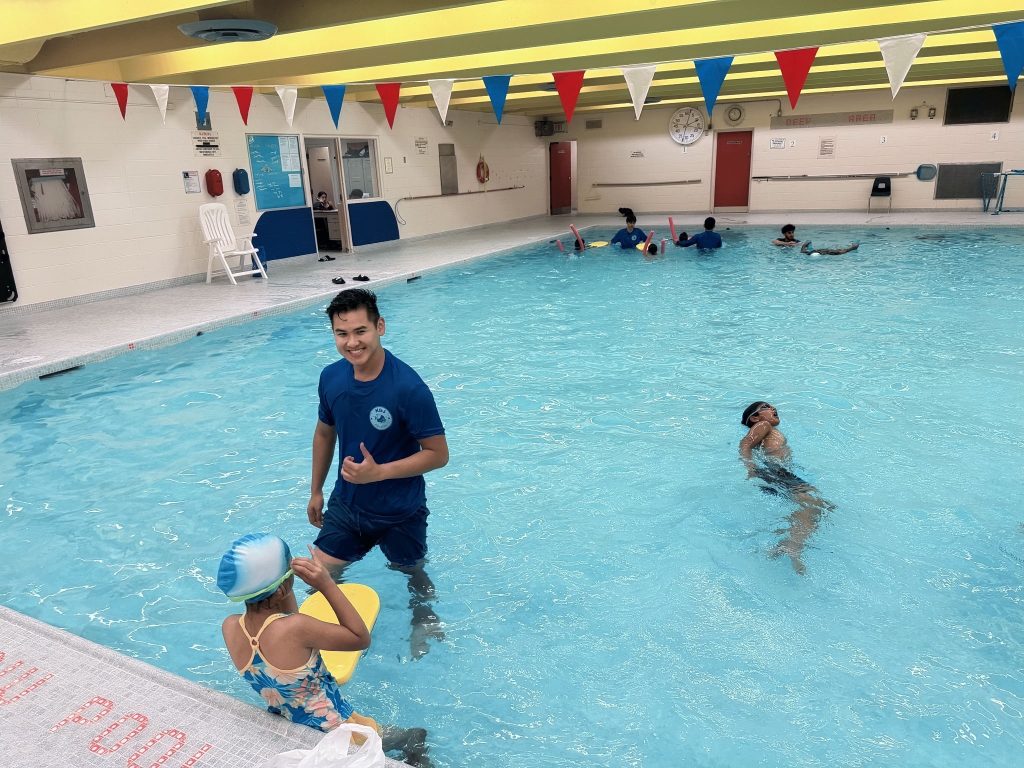
Sessions begin with a quick assessment of stroke, timing, and comfort in the water. Coaches use deck demonstrations, in-water cues, and short drill sets to isolate breathing skills. Tools such as snorkels, fins, and kickboards are used when helpful to stabilise body position. Repetitions are structured with rest intervals to reinforce technique without fatigue masking form. Each lesson ends with integrated swimming to apply the breathing pattern under realistic pace.
These lessons focus on how and when to breathe while swimming, linking breath timing to stroke rhythm and body position. Teens learn controlled inhalation, steady exhalation, and head alignment that keeps the body streamlined. Training is adapted for different strokes and ability levels, with clear cues and repeatable drills.
Swimmers practise bilateral breathing, quick side turns, and stable head return. Coaches emphasise exhaling underwater and inhaling during a brief window, keeping hips high and strokes consistent.
Backstroke uses continuous breathing with a steady rhythm. Lessons refine cadence, shoulder rotation, and face position to keep breathing calm without interrupting propulsion.
Breath is linked to the pull and kick cycle. Teens learn to lift minimally for a quick inhale, then glide with a controlled exhale to maintain momentum.
Proper breath management through turns improves continuity. Swimmers practise pre-turn inhalation, streamlined push-offs, and controlled exhalation during underwater kicks.
Focused instruction builds repeatable breathing habits that support longer sets and smoother strokes. Teens gain better oxygen use, reduced tension, and consistent pacing across distances. Video feedback and timed sets provide clear benchmarks, while technique cues translate directly into training and competition settings.

Teens who can swim basic lengths benefit most, from early learners to competitive swimmers. Coaching is adjusted to current ability and goals, whether building confidence or refining race skills.
Many swimmers feel smoother breathing within a few sessions. Consistent practice leads to clearer rhythm and endurance gains over several weeks, depending on frequency.
Standard swim kit is sufficient. Coaches may introduce snorkels or fins during drills, which can be provided or recommended based on the programme.
Expect structured sessions with clear goals, brief feedback between sets, and practical drills you can repeat in independent swims. Lesson length, frequency, and focus areas are agreed upfront, with flexibility to adjust as skills develop. Parents and teens receive straightforward guidance on practice between sessions and how to track progress over time.
