
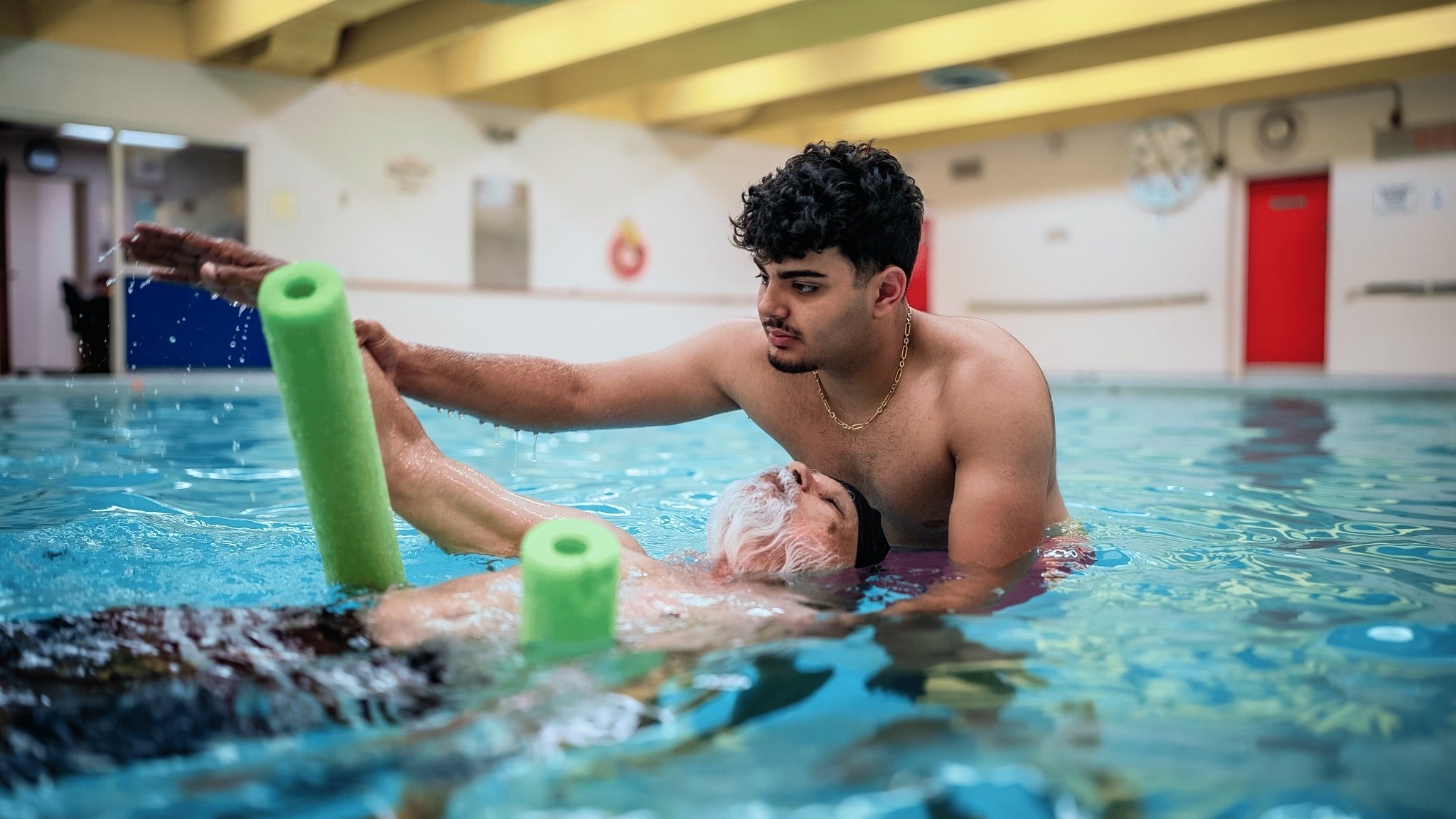

Learning to swim as an adult can feel surprisingly personal. Some people are starting from the beginning.
Others can swim a little but feel tense, tired, or unsure in deeper water. Some want better technique for fitness, travel, or general confidence.
At KJ Aquatics Swim School in Toronto, we approach adult swimming lessons with patience, structure, and clear progression.
The right lesson path should match your current comfort level, not force you into a pace that makes learning harder.
Adult Lessons Should Start Where You Are
Adult students often know exactly what they want to change.
You may want to put your face in the water without panicking, float without gripping the wall, coordinate breathing, or swim a full length with better control.
That starting point matters. A nervous beginner needs a different plan than an adult who already swims but wants smoother strokes.
Good instruction breaks swimming into smaller skills: breath control, body position, buoyancy, kicking, arm movement, and timing.
For Toronto adult swimming lessons, the strongest starting point is an honest conversation about your comfort, your goals, and what has or has not worked before.
When the lesson is built around that, progress feels more manageable.
Choosing a Format That Supports Your Progress
Adult swim lessons can work in different formats, and the best choice depends on how you learn. Some adults enjoy a structured class setting.
Others prefer one-on-one instruction, especially when they feel self-conscious or have a specific skill they want to improve.
Adult swim classes may be a good fit if you like learning with others and want a regular rhythm.
A shared setting can help normalize the process, since many adults are working through similar questions.
Private swimming lessons may be better if you want more individual feedback or need extra time on breathing, floating, water comfort, or stroke correction.
If you want to understand how class options fit into our programs, our group swimming lessons page is a helpful place to start.
Questions Worth Answering Before You Begin
Before booking adult swimming lessons, it helps to think about what you want the lessons to accomplish.
Your answers can guide the format, pace, and focus of instruction.
- How comfortable are you standing, floating, and moving in water?
- Do you prefer learning privately or with other adults?
- Is your main goal confidence, stroke technique, fitness, or endurance?
- How often can you realistically attend lessons?
- Are there specific skills or past experiences you want us to know about?
You do not need perfect answers. These details simply help us recommend a starting point that feels realistic and productive.
How Progress Usually Feels for Adults
Adult swimming progress is often gradual at first, then more noticeable once the basics connect.
A student might begin by relaxing the shoulders, learning to exhale in the water, and finding balance.
From there, kicking, arm movements, and coordinated breathing become easier to practise.
Rushing usually does not help. Swimming is not only about effort. It is also about timing, calmness, and body awareness.
When an adult student feels too tense, even simple movements can feel difficult. A steady lesson pace helps build control.
Consistency also matters. Adults in Toronto often work lessons around jobs, school, family, and busy schedules.
A lesson plan you can maintain is usually more helpful than an ambitious schedule that becomes stressful.
Why the Pool Environment Matters
An indoor pool gives adult students a consistent place to learn.
ou can focus on instruction, repetition, and comfort without adjusting to outdoor water conditions.
That consistency can be especially helpful for adults who are building confidence.
Repeating skills in a familiar environment makes it easier to notice small improvements. It also gives us a steady setting for coaching body position, breathing, and movement.
For more experienced swimmers, the same environment supports technique refinement.
Instead of simply trying to swim harder, you can work on smoother breathing, better alignment, and more efficient movement through the water.
When Adult Lessons Are Worth Considering
Adult swimming lessons are not only for people who cannot swim at all.
They can also help if you learned informally, avoid deep water, get tired quickly, or feel unsure about technique.
You may benefit from lessons if you want to feel calmer in the water, learn proper breathing, improve stroke mechanics, swim for fitness, or prepare for recreational activities that involve water.
The goal is not to compare yourself with other swimmers. The goal is to build a safer, more comfortable relationship with the water and make measurable progress from your own starting point.
Frequently Asked Questions
Can I start adult swimming lessons if I am nervous in water?
Yes. Many adults begin because they feel tense, cautious, or afraid in water. We can start with comfort, breathing, floating, and simple movement before building into full swim skills.
Do I need swimming experience before joining?
No. Adult swimming lessons can begin with the basics. If you already know some swimming, we can focus on improving technique, breathing, or endurance instead.
Are private lessons better than adult swim classes?
Private lessons offer more individual attention, which can help with specific concerns or confidence. Adult swim classes can work well if you like a structured group setting. The better option depends on your comfort and goals.
How long does it take to feel confident swimming?
It varies by starting point, lesson frequency, comfort in the water, and practice between lessons. Some adults focus first on confidence, while others move into stroke improvement sooner.
Ready to Plan Your Next Swim Lesson?
If you are considering adult swimming lessons in Toronto, send us a note through our contact page to ask about options, availability, or a quote.
Share your current swim level, comfort in the water, preferred lesson format, main goal, and ideal timing so we can recommend a lesson path that supports steady progress without pressure.


