
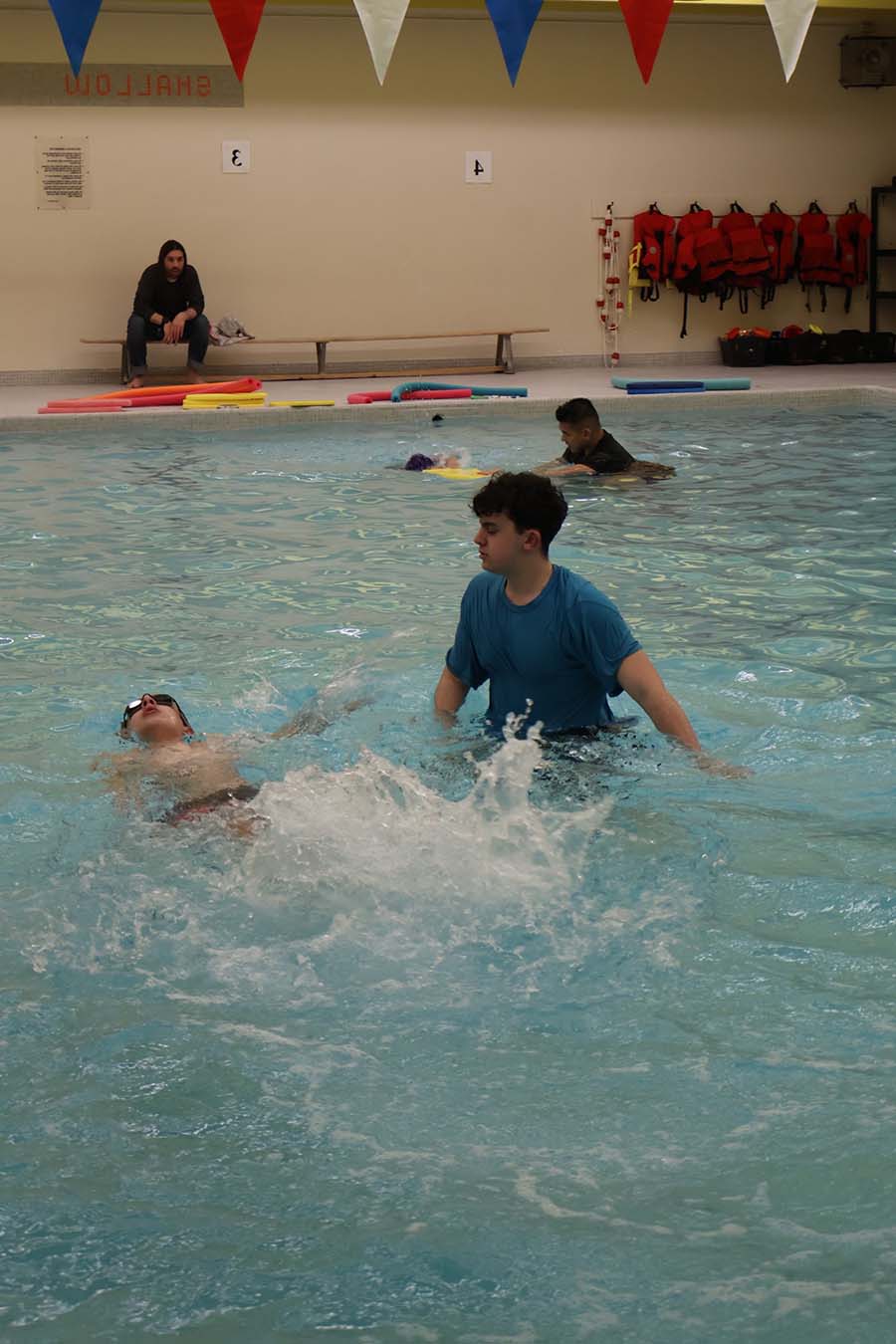

Backstroke 101: A Beginner's Guide to Nailing the Basics!
Hey there, fellow parents! If you’ve got a little one eager to dive into the world of swimming, mastering the backstroke is a fantastic place to start. As a lifeguard and swim instructor, I’ve seen countless kids conquer this stroke, and I’m here to share some insider tips to help your child become a backstroke pro!
Benefits of Learning Backstroke
Before we dive into the nitty-gritty, let’s talk about why learning backstroke is so awesome. Not only does it give your child a killer full-body workout, but it also helps improve balance, coordination, and essential water safety skills. Plus, there’s something undeniably cool about gliding effortlessly on your back across the pool!
Understanding the Basics
Now, let’s break down the basics of backstroke. Picture this: your child floating gracefully on their back, arms slicing through the water, and legs kicking in perfect harmony. Sounds dreamy, right? Well, achieving that dream starts with mastering a few key fundamentals.
Body Positioning: The key to a killer backstroke lies in maintaining the right body position. Encourage your child to keep their body straight and aligned, with their ears just below the surface of the water. Think of them as a floating log – relaxed and buoyant!
Arm Movement: Next up, let’s talk arms. The backstroke arm movement is all about alternating strokes in a continuous windmill motion. Imagine your child’s arms reaching back behind their head, then sweeping down and out to the sides before returning to the starting position. It’s like they’re conducting an underwater orchestra!
Leg Action: Last but not least, we’ve got the leg action. The backstroke kick is all about keeping it smooth and steady, with a fluttering motion similar to a gentle bicycle kick. Remind your child to keep their legs straight and relaxed, with just enough power to propel them through the water.
Getting Started
Now that we’ve covered the basics, it’s time to get your child started on their backstroke journey. Find a suitable swimming environment – whether it’s a local pool, lake, or even your backyard paddling pool – and gather up the necessary equipment. A pair of goggles and a swim cap can go a long way in boosting your child’s comfort and confidence in the water.
Step-by-Step Guide to Learning Backstroke
Ready to dive in? Let’s break down the backstroke learning process into manageable steps.
Floating on Back: Start by getting your child comfortable floating on their back. Support them as they practice relaxing and letting the water carry them.
Flutter Kick Practice: Next, it’s time to work on that flutter kick. Have your child hold onto the pool edge or a kickboard while they practice kicking from the hips, keeping their legs straight and toes pointed.
Incorporating Arm Movement: Once they’ve mastered the kick, it’s time to add in the arms. Start with simple drills, like practicing arm circles or single-arm strokes, before gradually building up to the full backstroke motion.
Putting It All Together: Finally, it’s time to put everything together and swim some laps! Encourage your child to focus on maintaining proper form and rhythm as they glide through the water like a backstroke superstar.
Common Mistakes and How to Correct Them
Of course, learning backstroke isn’t always smooth sailing. Here are a few common mistakes to watch out for, along with some tips for correcting them:
Sinking Hips: If your child’s hips keep dipping below the surface, remind them to keep their core engaged and their body straight. Practicing floating on their back can also help improve buoyancy.
Uneven Arm Stroke: Is one arm doing all the work while the other just floats along for the ride? Encourage your child to focus on maintaining a balanced stroke, with both arms moving in sync.
Ineffective Flutter Kick: If your child’s kick isn’t generating enough propulsion, remind them to kick from the hips and keep their legs straight. Practice drills like kicking with a kickboard or using fins to help strengthen their kick.
Tips for Parents to Support Learning
As parents, your support and encouragement play a vital role in your child’s swimming journey. Here are a few tips to help you cheer them on:
Encouragement and Positive Reinforcement: Shower your child with praise and encouragement, no matter how small their progress may seem. Positive reinforcement goes a long way in building confidence and motivation.
Practice Drills at Home: Take advantage of bath time or trips to the local pool to practice swimming skills at home. Even just a few minutes of practice each day can make a big difference in your child’s progress.
Enrolling in Swim Lessons: Consider enrolling your child in swim lessons with a qualified instructor. Professional guidance can provide valuable feedback and help your child develop proper technique and safety skills.
Overcoming Challenges
Learning backstroke – or any new skill, for that matter – can be challenging at times. Remind your child that it’s okay to make mistakes and that progress takes time and patience. Celebrate their successes and encourage them to keep pushing themselves to improve.
Safety Precautions
Last but certainly not least, safety should always be a top priority when it comes to swimming. Supervise your child at all times around water, and make sure they understand the importance of swimming in designated areas and using flotation devices when necessary.
Conclusion
So there you have it, folks – a beginner’s guide to nailing the basics of backstroke! With a little practice, patience, and a whole lot of enthusiasm, your child will be backstroking like a pro in no time. So grab those goggles, hit the pool, and get ready to make a splash!
Ready to help your child become a backstroke champ? Check out KJ Aquatics for expert swim instruction and a supportive learning environment. Dive into a world of aquatic fun and safety – sign up for lessons here today!


