

Confused About Swimming Lessons for Your Child? Here’s Your Step-by-Step Guide!
Choosing swimming lessons for kids can feel like a big decision—there are so many options, and every child is different. As a professional lifeguard and swim instructor with years of experience, I’ve worked with hundreds of children and families, each with their unique needs and goals when it comes to learning how to swim. In this article, I’ll walk you through everything you need to know to choose the best swimming lessons for your kids. From understanding your child’s learning style to picking the right lesson type, I’ve got you covered!
Understanding Your Child’s Needs and Learning Style
The first step in choosing swimming lessons for kids is understanding your child’s personality, age, and developmental stage. Every child learns differently, and what works for one might not work for another.
Assess Your Child’s Age and Developmental Stage
The age of your child plays a big role in the type of swimming lessons for kids that will be the best fit. For younger children, like toddlers and preschoolers, the focus should be on water safety and comfort. At this stage, children are just starting to get used to the water and may need to learn basic skills like kicking, floating, and learning how to blow bubbles. Preschool programs usually emphasize fun and play while introducing these key skills.
For older children, typically ages 5 and up, swimming lessons for kids tend to focus more on stroke development, endurance, and diving techniques. A child at this age may be ready for more structured lessons, which will help them refine their strokes and start building confidence in their swimming abilities.
Evaluate Your Child’s Personality and Comfort Level
Every child reacts to new experiences in different ways. Some kids love the idea of swimming and can’t wait to jump into the pool, while others might be a little more hesitant. If your child is naturally shy or scared of the water, private lessons may be a good option. This one-on-one time with an instructor allows them to build trust and confidence without feeling overwhelmed by a group of kids.
For example, I once had a student, Max, who was extremely nervous around water. He didn’t want to put his face in the pool at all. After a few private lessons, he gradually became more comfortable, and after just a couple of months, he was diving under the water like a pro. The personal attention really helped him feel safe and confident.
If your child is outgoing and loves to socialize, group lessons can be a great fit. They’ll enjoy the interaction with their peers and benefit from seeing other kids learning alongside them.
Types of Swimming Lessons: Group vs. Private
There are two main types of swimming lessons for kids: group and private. Both have their advantages, and understanding which one best suits your child’s personality and goals is crucial.
Group Swimming Lessons
Group swimming lessons for kids are great for children who enjoy socializing and learning alongside others. These lessons usually have a higher instructor-to-student ratio, so children not only develop their swimming skills but also build social skills as they interact with other kids. In my experience, group lessons work wonders for kids who thrive in a supportive, fun environment.
In group lessons, children often cheer each other on, which can motivate them to try harder and push past their limits. I remember teaching a class of four-year-olds, and they were all so eager to impress each other when they learned how to float independently. That sense of camaraderie can be a huge motivator!
Group swimming lessons for kids also tend to be more affordable than private ones, which can make them a good option if you’re working with a tight budget. Many swim schools offer package deals for group lessons, making it easy to fit swimming into your family’s schedule.
Private Swimming Lessons
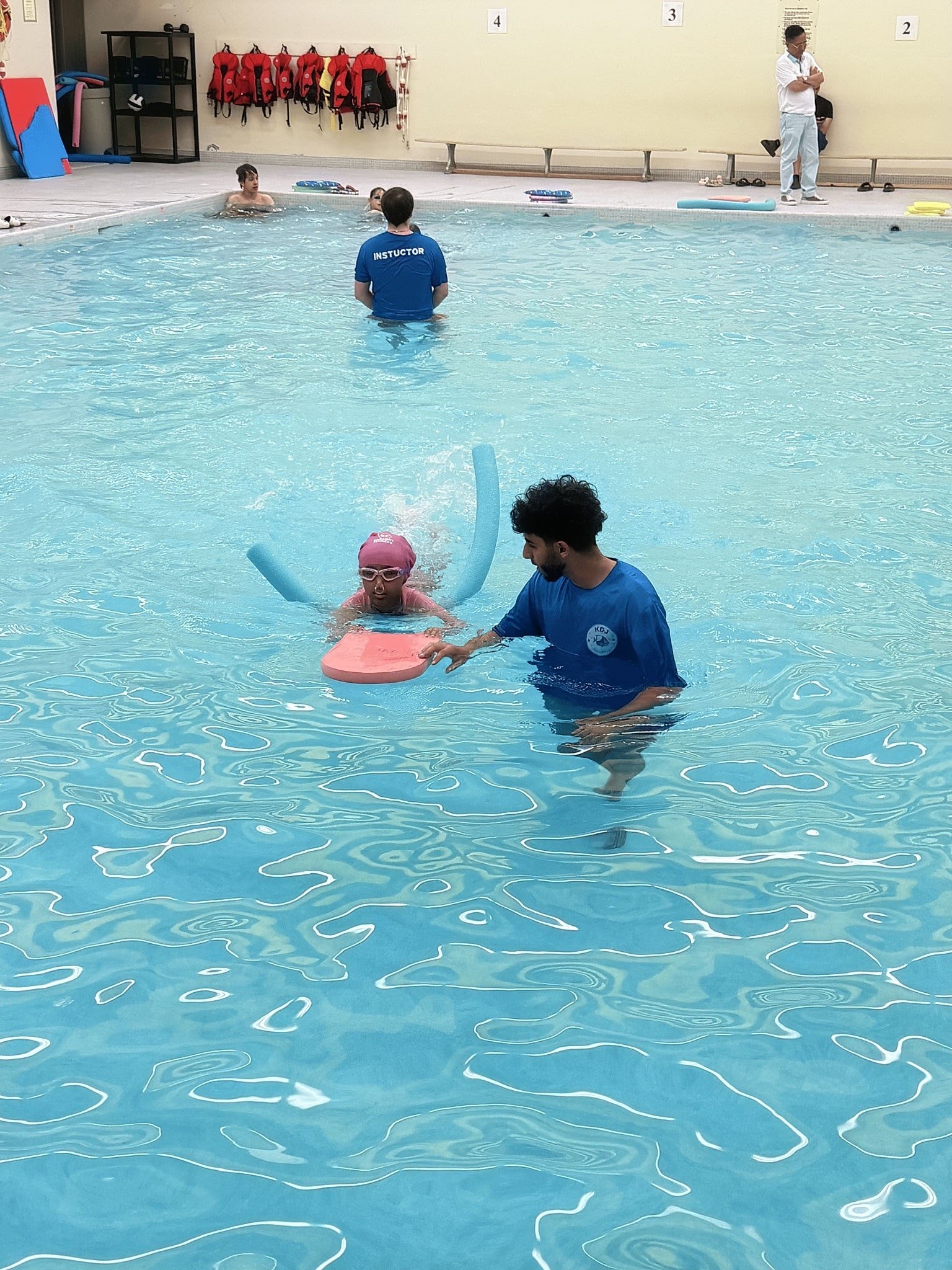
Private lessons provide one-on-one attention from the instructor. This setup is ideal for children who need individualized instruction or who might feel overwhelmed in a group setting. Private lessons can also be a great option for children with special needs or those who have specific goals, such as mastering a particular stroke or getting ready for a swim competition.
I worked with a young swimmer named Lily who was very shy and had a lot of anxiety around the water. In private lessons, we were able to take it slow and focus on building her comfort level before moving on to actual swimming techniques. After a few lessons, Lily was no longer afraid of the water and was swimming across the pool on her own!
Private lessons also offer flexibility with scheduling, which can be convenient for busy families. You can often arrange lesson times that work with your child’s other activities.
Swimming Lesson Structure: What Should You Expect?
Whether you choose group or private lessons, it’s important to understand the typical structure of swimming lessons for kids and what to expect.
Lesson Length and Frequency
Swimming lessons for kids typically last around 30 minutes to an hour. For younger children, shorter sessions tend to work best, as they may lose focus after a while. As they get older and more accustomed to the water, lesson lengths can gradually increase.
Frequency is also important. Most swim schools recommend one or two lessons per week. Consistency is key when it comes to learning how to swim—regular lessons help reinforce skills and build muscle memory.
Instructor-to-Student Ratio
When it comes to the instructor-to-student ratio, smaller is often better. A low ratio ensures that your child will receive more individual attention and that the instructor can closely monitor each child’s progress. In group lessons, look for classes with no more than 6 to 8 children per instructor. Smaller classes make it easier for the instructor to correct mistakes and ensure that every child is learning effectively.
What to Look for in a Swim School or Program
Once you’ve decided on the type of lessons that are right for your child, the next step is choosing the right swimming lessons for kids at a swim school or program.
Certified Instructors and Safety Protocols
Make sure the swim school you choose employs certified instructors who are trained in CPR, first aid, and water safety. This ensures that your child will be in good hands, and the instructors will know how to handle any potential emergencies.
Additionally, check the school’s safety protocols. Do they have lifeguards on duty at all times? Are there clear emergency procedures in place? A good swim school will prioritize safety above all else.
Reputation and Reviews
Do some research to find out what other parents have to say about the swim school. Read reviews online or ask around for recommendations. Hearing about other families’ experiences can give you a better idea of what to expect.
Setting Realistic Goals for Your Child’s Swimming Journey
Swimming is a skill that builds over time, and every child progresses at their own pace. It’s important to set realistic goals for your child and remember that swimming takes practice.
Focus on Water Safety First
Especially for younger children, the primary goal should be teaching them water safety. This means learning how to float, how to hold their breath underwater, and how to safely get in and out of the pool. As your child gains confidence in these basic skills, they’ll be ready to move on to more advanced techniques, like swimming strokes and treading water.
Long-Term Swimming Goals
If your child enjoys swimming, they may want to take their skills to the next level. Some children progress from basic lessons to swim team training or even water polo. Keep an open mind and encourage your child’s interests. Whether they stick with casual swimming or become competitive swimmers, fostering a love of the water is the key to helping them succeed.
The Role of Parents in Supporting Swimming Lessons
Your involvement can make a huge difference in your child’s progress.
Encouragement and Positive Reinforcement
Celebrate your child’s successes—big or small! Whether they’ve just learned to kick their legs or swim a lap on their own, every achievement is worth recognizing. Your positive reinforcement will help them stay motivated and excited about swimming.
Consistency and Practice Outside the Lessons
Practice at home and in other settings, like during family trips to the pool or beach, can reinforce what your child is learning in lessons. The more exposure they get to the water, the faster they’ll progress.
Conclusion
Choosing swimming lessons for kids doesn’t have to be overwhelming. By understanding your child’s needs, personality, and goals, you can choose lessons that will help them thrive in the water. Whether it’s group lessons for socialization or private lessons for personalized attention, the key is to make swimming a fun, rewarding, and safe experience for your child.
So, take a deep breath, and dive in! Your little swimmer is sure to flourish with the right guidance and support.


