

Critical Water Safety Tips Every Parent Should Know!
Introduction
Water can be a magical element in a child’s life—whether they’re splashing in the pool, playing
in the bathtub, or wading at the beach. But along with the fun comes a critical need for water
safety. As a lifeguard and swim instructor, I’ve seen firsthand how quickly a day at the pool can
turn from fun to frightening. Let’s dive into some essential water safety tips that every parent
should know to keep those little swimmers safe
Understanding Water Safety Risks
Common Drowning Scenarios for Young Children
Drowning can happen in the blink of an eye, and it often occurs in places we might not immediately think of. I remember a family I once taught who were shocked when I explained that drowning is not just about large bodies of water. Their young daughter had nearly drowned in their backyard pool, a situation that could have been avoided with some basic safety precautions.
Here are some common scenarios where drowning can occur:
● Pools: Even a shallow pool can be dangerous if not properly supervised.
● Bathtubs: It’s easy to get distracted while bathing your child, but just a few inches of
water can be hazardous.
● Open Bodies of Water: Lakes, rivers, and oceans have currents and depth variations
that can surprise even experienced swimmers.
The Role of Supervision and Its Limitations
Supervision is critical, but it’s not foolproof. I once saw a parent glance away for just a moment
to answer a phone call, and their child slipped into the pool. Luckily, the child was fine, but it was
a stark reminder that constant, active supervision is essential.
Remember:
● Distraction Risks: Avoid multitasking—stay focused on your child.
● Overestimating Abilities: Just because your child can swim doesn’t mean they’re
invincible.
● Active Supervision: Always be within arm’s reach if your child is in or around water.
Supervision Strategies
Active Supervision
Active supervision means being vigilant and fully engaged. You shouldn’t just be in the same
area; you need to keep your eyes on your child at all times. Think of it like driving—you wouldn’t
check your phone while driving, so don’t let your attention wander while supervising your child in
the water.
A simple trick I use is the “reach” rule: always stay close enough that you could reach out and
grab your child if necessary. It sounds basic, but it’s incredibly effective.
Establishing and Communicating Water Rules
Setting clear rules about water behavior can help prevent accidents. My own kids know that
running near the pool is a no-no, and they understand the importance of sticking to designated
swim areas. Here are some rules you might consider:
● No Running: Wet surfaces are slippery and dangerous.
● Respect Pool Depths: Make sure your child knows their swimming limits.
● Flotation Devices: These can be helpful, but remember they’re not a substitute for
supervision.
Teaching Water Safety Skills
Basic Swim Skills
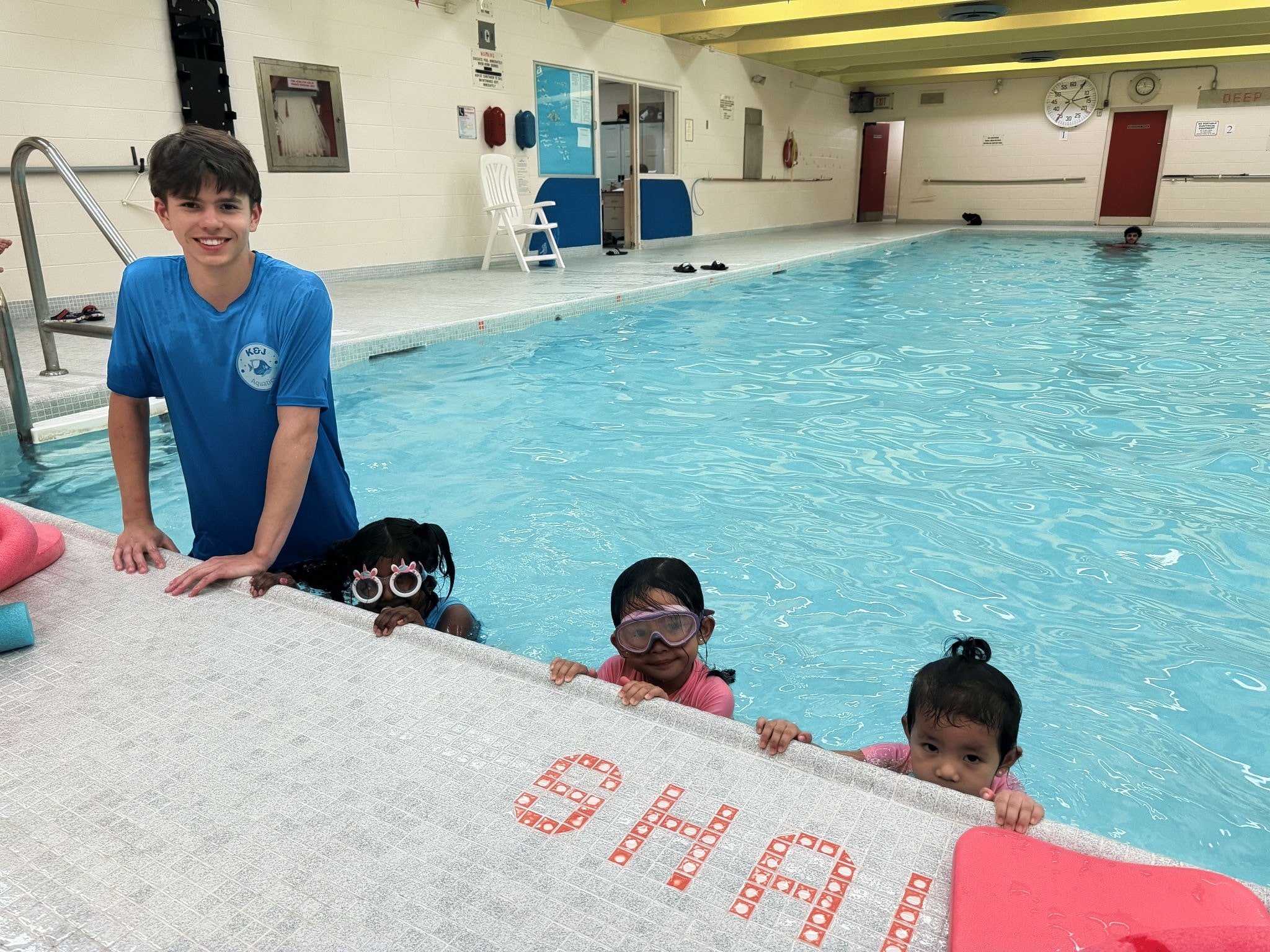
Swimming lessons are one of the best investments you can make in your child’s safety. I’ve
taught countless children how to swim, and the difference in their confidence and safety
awareness is remarkable. Look for swim programs that focus on safety skills as well as
technique.
For very young children, classes that emphasize water comfort and basic skills like floating can
be particularly beneficial. If you’re searching for high-quality swim instruction, check out KJ
Aquatics, which offers a range of swimming programs tailored for different age groups and skill
levels.
Water Safety Education
Teaching your child about water safety doesn’t end with swim lessons. Educate them about the
basics of water safety, such as:
● Floating: Show them how to float on their back if they get tired.
● Recognizing Distress: Teach them how to signal for help if they’re struggling.
I once had a parent thank me for teaching her child how to float. Her child used this skill during
a swimming party and was able to stay calm and safe when they got tired.
Pool and Home Safety Measures
Pool Safety
Pools require constant vigilance and proper safety measures. I remember working at a pool
where a simple, well-maintained fence made a huge difference in preventing accidents. Here’s
what you can do:
● Install Barriers: Fences or barriers around your pool can prevent unsupervised access.
● Use Alarms: Pool alarms can alert you if someone enters the pool area unexpectedly.
● Maintain Pool Covers: A well-secured cover can be a lifesaver when the pool is not in
use.
Home Safety
Water safety isn’t just about pools. At home, consider:
● Securing Bathtubs: Never leave a child alone in the bathtub, even for a moment.
● Handling Containers: Buckets and other water containers should be emptied and
stored safely to avoid accidental drownings.
I’ve seen incidents where a child fell into a bucket of water. Simple steps like keeping buckets
upside down when not in use can prevent these types of accidents.
Emergency Preparedness
CPR and First Aid Training
Being prepared for emergencies is crucial. I recommend that every parent and caregiver take a
CPR and first aid course. It’s an essential skill set that could make all the difference in an
emergency situation. Knowing how to perform CPR and understanding basic first aid can give
you the confidence to handle a crisis effectively.
I once used CPR to help a child who had accidentally swallowed water and was struggling to
breathe. It was a tense situation, but the skills I had learned allowed me to act quickly and
effectively.
Emergency Contact Information
Keep a list of emergency numbers handy, and make sure older children know how to call for
help. Having quick access to emergency contacts can save precious minutes during a crisis.
Additional Resources and Support
Finding Local Swim Lessons and Safety Programs
Look for swim schools or community programs that offer water safety and swim lessons. Many
local organizations provide courses specifically designed for young children and their parents.
For high-quality instruction, you can visit KJ Aquatics to book a swim lesson appointment that
fits your schedule and needs.
Recommended Books and Websites
Books and websites can offer additional tips and resources for water safety. I’ve found that a
good book on water safety can complement practical lessons and provide a broader
understanding of the risks involved.
Support Groups and Community Resources
Joining support groups or community forums can provide you with additional tips and shared
experiences from other parents. It’s a great way to stay informed and connected.
Conclusion
Water safety is a crucial part of parenting that requires diligence, education, and preparedness.
By understanding the risks, actively supervising your child, teaching essential water skills, and
preparing for emergencies, you can help ensure that your child enjoys their time in the water
safely.
Remember, water safety is not just about preventing accidents; it’s about creating a safe
environment where your child can enjoy and thrive. So take these tips to heart, and let’s make
every splash a safe and happy one!
Call to Action
Start by reviewing your home’s water safety measures today. Share these tips with other
parents and encourage them to take action too. Every step you take towards water safety is a
step towards a safer, happier experience for your child. Do you have any water safety tips or
experiences to share? Leave a comment and join the conversation!


