

Don’t Let Your Child Swim Without Learning These Critical Water Safety Skills!
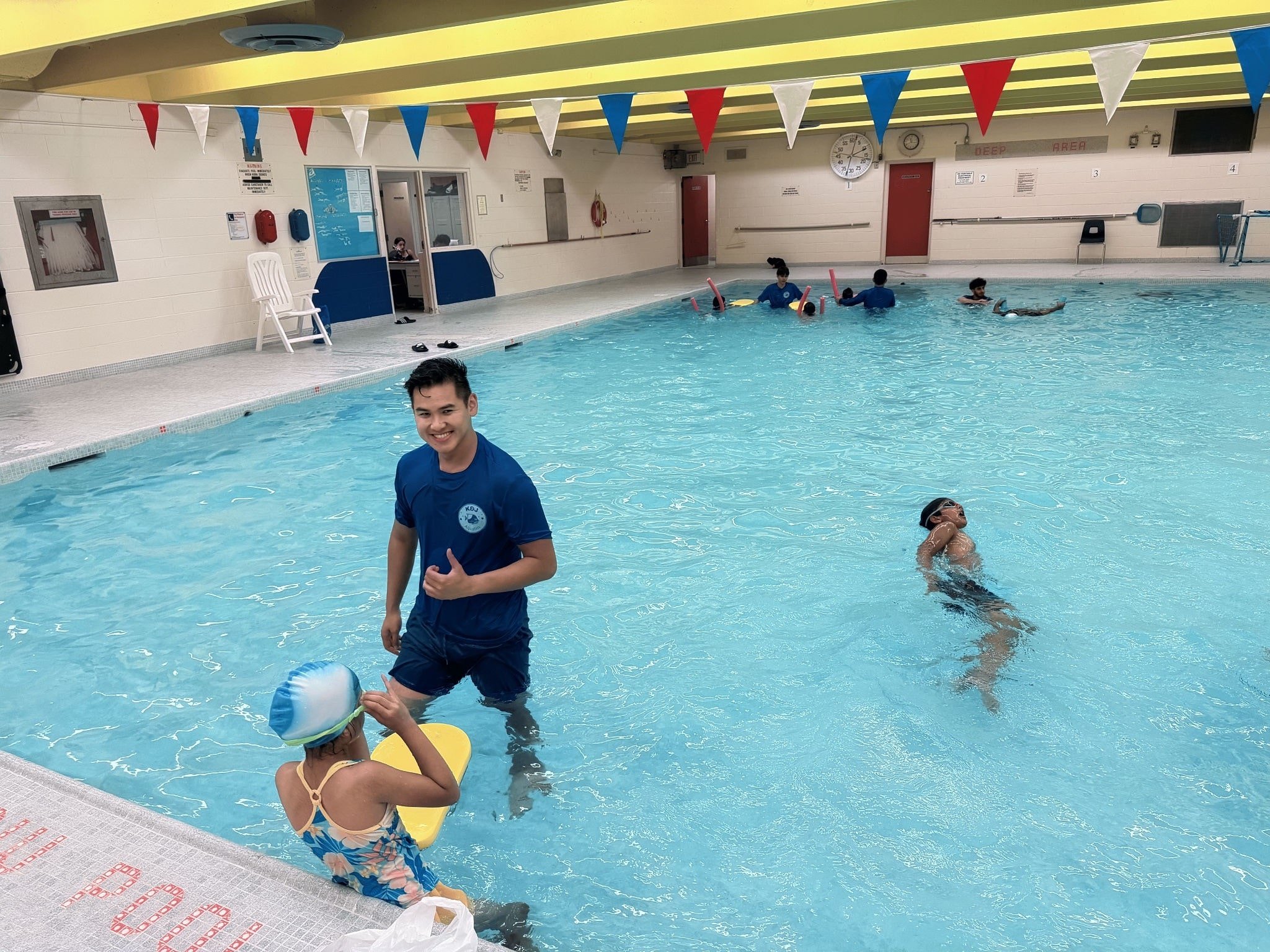
As a lifeguard and swim instructor, I’ve seen firsthand how crucial it is for kids to learn water safety during swim lessons early on. It’s not just about teaching your child to swim laps or float—it’s about equipping them with the knowledge and confidence to navigate the water safely. If you’re a parent, you already know how curious and fearless young kids can be, especially around something as exciting as water. That’s why water safety during swim lessons is a must.
Let’s dive into why learning water safety during swim lessons is so important and how it can make all the difference for your family.
Why Water Safety During Swim Lessons Matters More Than Ever
Drowning Is a Real Risk
Did you know that drowning is one of the leading causes of accidental death in children under 14? For kids under 5, it’s even higher on the list. Most of these tragic incidents happen in familiar places like backyard pools, bathtubs, or local swim spots—not at crowded beaches or large lakes.
As a lifeguard, I’ve seen parents think their child is safe just because they’re a strong swimmer. But here’s the thing: even the best swimmers can get into trouble if they don’t understand the risks around water. That’s why learning water safety during swim lessons is so essential—it prepares kids (and parents!) to handle emergencies.
What Water Safety During Swim Lessons Really Means
It’s More Than Just Swimming
While learning to swim is a big part of staying safe, water safety during swim lessons goes beyond just the physical skill of swimming. It’s about understanding water’s power and knowing how to make smart decisions around it. For example, swim lessons focused on water safety teach kids things like:
- How to float on their back if they’re tired or caught in a current.
- Why they should never swim alone, even in shallow water.
- How to recognize the difference between safe and unsafe areas in a pool or open water.
One summer, I worked with a little boy named Max. He was eager to jump into the deep end but didn’t know how to tread water yet. Instead of rushing into strokes, we spent a few lessons practicing how to float, rest, and stay calm in deeper water. By the end of the season, not only could Max swim confidently, but he also knew what to do if he ever felt overwhelmed.
Building Confidence Through Water Safety
Some parents worry that focusing on water safety during swim lessons might make their kids afraid of swimming. But the opposite is true! When kids understand how to stay safe, they’re more confident in the water. Lessons that incorporate water safety teach kids to respect water without fearing it.
Essential Water Safety Skills Every Child Should Learn
Swim lessons that prioritize water safety introduce kids to critical skills that can save lives.
Floating and Treading Water
Even if your child isn’t a strong swimmer, learning to float and tread water can buy them valuable time in an emergency. Kids are taught to stay calm, keep their head above water, and signal for help if needed.
Safe Entry and Exit
One of the first things we teach kids is how to safely get in and out of the water. This might sound simple, but slipping or jumping into water without checking the depth can lead to injuries.
Recognizing Emergencies
Older kids can learn how to spot someone in trouble and get help without putting themselves in danger. For example, they’re taught to use a “reach, throw, don’t go” technique—reaching out with a pool noodle or throwing a floatation device instead of jumping in themselves.
How Parents Can Reinforce Water Safety at Home
Supervise, Supervise, Supervise
Even if your child has taken swim lessons with a focus on water safety, supervision is non-negotiable. Stay within arm’s reach of younger kids and keep your eyes on older ones, even if they’re in the shallow end.
Practice Makes Perfect
Take what your child learns in water safety-focused swim lessons and practice it during family swim time.
Create a Safe Water Environment
If you have a pool at home, make sure it’s secured with a fence, a self-closing gate, and alarms. Always keep life jackets on hand, especially for younger kids or when you’re around open water.
Choosing the Right Swim Lessons for Water Safety
Not all swim programs are created equal, so it’s important to find one that prioritizes water safety during swim lessons.
Look for Certified Instructors
Qualified instructors, like those certified by the Red Cross or another recognized organization, are trained to teach water safety alongside swimming skills.
Pick Age-Appropriate Classes
For toddlers and preschoolers, the focus should be on basic water safety, comfort, and fun. For older kids, lessons can include more advanced skills like diving safety or emergency response.
Ask About the Curriculum
Don’t hesitate to ask what water safety skills are taught during swim lessons. A good swim school will prioritize safety and ensure kids are learning more than just strokes.
Why Water Safety During Swim Lessons Is Worth the Investment
Swim lessons aren’t just an extracurricular activity—they’re a life skill that can literally save lives. As parents, you’re giving your kids the tools to be safer, more confident, and better prepared to enjoy the water throughout their lives.
Final Thoughts
Learning water safety during swim lessons is one of the best investments you can make for your child’s safety and confidence. Whether it’s their first swim class or a refresher, these skills provide a foundation for a lifetime of fun and safe water activities.


