
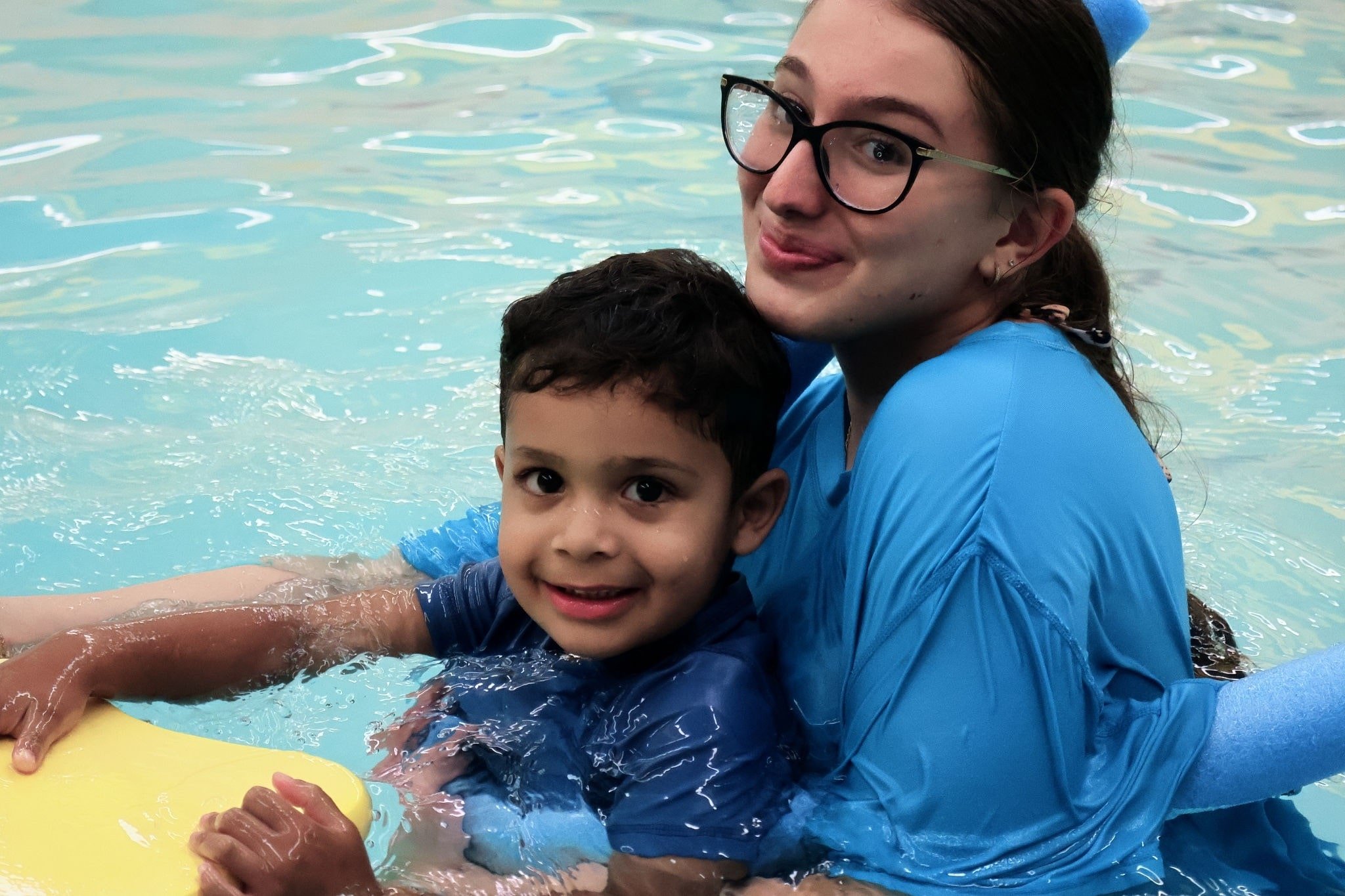

Watching your toddler splash and giggle in a pool is not just a cute moment—it’s an important developmental activity. Swimming goes beyond fun; it plays a critical role in physical, cognitive, and social growth during early childhood. In fact, toddler swimming lessons provide a strong foundation for coordination, confidence, and lifelong water safety skills. As parents seek well-rounded activities for their little ones, swimming often tops the list. Let’s explore how this aquatic activity significantly enhances toddler development and why enrolling your child in the right swim program can make all the difference.
Why Start Early?
Toddlers are naturally curious and eager to explore their environment. Water offers a sensory-rich space where they can move freely, experiment with motion, and engage their muscles in new ways. Unlike land-based play, swimming introduces resistance and buoyancy, which together build strength and stability.
Starting early helps toddlers grow accustomed to water, reducing fear and anxiety later in life. It also sets the stage for more advanced motor skills, better balance, and body awareness. For parents wondering, “Are toddler swim classes near me worth the effort?”—the answer is a resounding yes. The developmental benefits begin as soon as your child steps into the pool.
Boosting Gross Motor Skills
Swimming involves the whole body. From kicking legs and stretching arms to turning the head and holding breath, each movement contributes to gross motor development.
In toddler swimming lessons, instructors often guide children through playful exercises that challenge their coordination. These movements improve posture, core strength, and joint mobility. Over time, toddlers become more agile and comfortable navigating different environments—on land and in water. As their bodies move through the water, toddlers develop stronger muscle tone and better endurance, which supports other physical milestones such as walking, running, and jumping.
Enhancing Balance and Coordination
One of the most profound benefits of swimming is how it improves coordination. Water provides gentle resistance, which challenges children to synchronize their limbs, maintain balance, and adjust their posture continuously.
Even simple activities like reaching for floating toys or gliding through the pool help toddlers develop hand-eye coordination. These skills translate to other areas of development, such as catching a ball, drawing, or climbing stairs.
Because swimming encourages symmetrical body movement, it also helps correct imbalances and improves bilateral coordination—meaning both sides of the body work together more effectively.
Supporting Cognitive and Emotional Development
Swimming doesn’t just benefit the body—it stimulates the brain as well. Through repetition, toddlers begin to recognize patterns, follow instructions, and anticipate what comes next. Structured kids swim programs encourage toddlers to process new information quickly and respond with specific actions.
Moreover, water has a calming effect. The rhythmic nature of swimming can reduce anxiety, regulate emotions, and improve focus. These emotional benefits are especially valuable during early childhood, when emotional control is still developing.
In group settings, swim classes offer toddlers an opportunity to interact with peers, building confidence and learning essential social skills like taking turns and listening.
Encouraging Independence and Confidence
Something is empowering about a child learning to float on their own or take their first strokes without assistance. These small victories fuel self-esteem and independence.
Toddler swimming lessons often use playful techniques, games, and songs to teach important skills. With each session, toddlers gain a sense of achievement that boosts their willingness to try new challenges—both in and out of the pool.
Parents frequently notice that children who swim regularly show more self-assurance in other environments, such as preschool, playgrounds, or family events.
Promoting Water Safety from the Start
Drowning is a leading cause of injury-related deaths in young children. Introducing water safety early is not just beneficial—it’s essential.
By enrolling in toddler swimming lessons, children learn basic safety skills such as floating, treading water, and safely entering and exiting the pool. While these lessons don’t make toddlers fully “water safe,” they drastically reduce the risk of panic or dangerous behavior around water.
Parents also gain awareness and knowledge about supervision and emergency response, adding another layer of protection during water-related activities.
Strengthening the Parent-Child Bond
For younger toddlers and babies, baby swimming lessons often require parental participation. These shared experiences in the water strengthen the emotional connection between parent and child through touch, eye contact, and communication.
Swimming becomes a shared ritual—something both parent and child look forward to. This positive bonding experience builds trust, helps with social-emotional development, and reinforces a secure attachment during a crucial developmental phase.
Even for older toddlers, watching parents cheer them on from poolside boosts their motivation and creates memories that last a lifetime.
How to Choose the Right Swim Program
With so many options available, selecting the right program matters. Look for certified instructors who specialize in early childhood development and understand how to create a safe, welcoming learning environment.
Search for facilities that are clean, well-maintained, and offer warm water suitable for toddlers. Smaller class sizes and age-appropriate activities make a big difference in the quality of instruction. To find the best fit, try searching online for “toddler swim classes near me” and read reviews, speak to other parents, or schedule a trial class.
Consistency Is Key
Like any skill, swimming requires practice. Enrolling your child in a seasonal or year-round program ensures they retain what they learn and continue progressing. Weekly lessons help reinforce motor memory, build comfort in the water, and encourage continuous development. As your toddler transitions into preschool or kindergarten, their confidence and coordination from swimming will benefit them in every area of learning and play.
Final Thoughts
Swimming is more than a recreational activity for toddlers—it’s a developmental powerhouse. It strengthens muscles, sharpens coordination, builds confidence, and introduces life-saving skills early on.
By enrolling in toddler swimming lessons, you give your child an opportunity to grow physically, emotionally, and socially in a supportive, engaging environment. Whether it’s through structured lessons, baby swimming lessons, or broader kids swim programs, the benefits of swimming are long-lasting and far-reaching.
So, the next time you’re planning your child’s weekly activities, consider the pool not just a place for fun—but a place where essential life skills begin.


