Controlled breathing is the foundation of confident swimming, yet many children struggle to time breaths and stay relaxed in the water. KJ Aquatics teaches clear, repeatable breathing patterns that support balance, rhythm, and endurance. Lessons are structured, age-appropriate, and focused on building comfort and skill together. Book a session and help your child move through the water with ease.
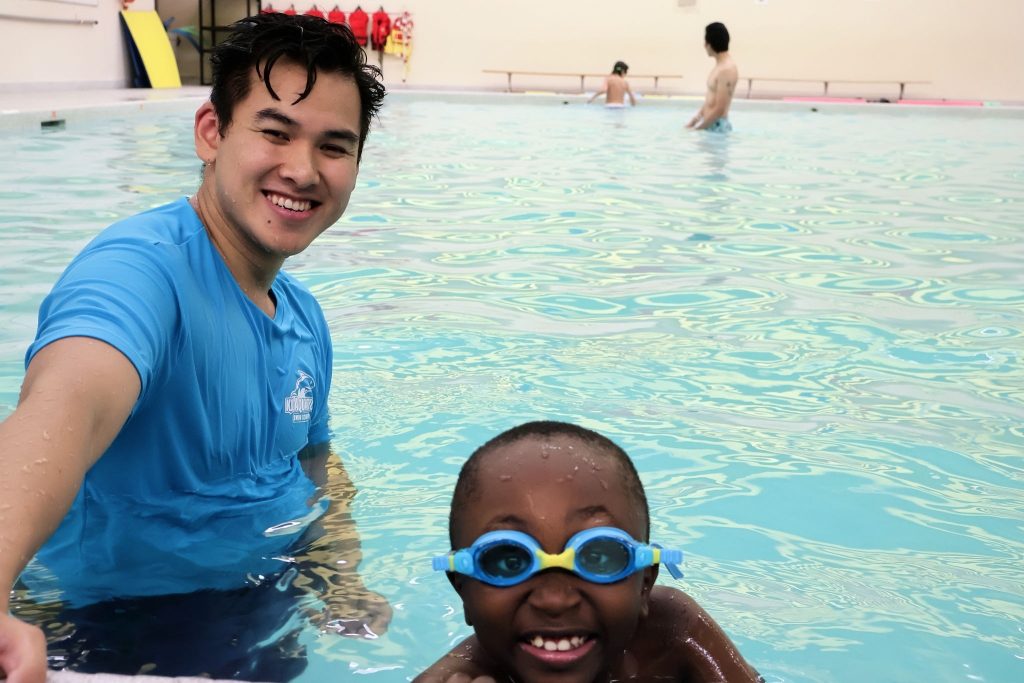
Sessions follow a structured plan with demonstration, guided practice, and short feedback loops. Instructors use kickboards, pull buoys, and lane markers to isolate breathing mechanics. Drills include bubble patterns, side-kick breathing, and stroke integration sets. Water time is organised to maximise repetition while maintaining attention and safety.
Breathing technique shapes how a child floats, kicks, and coordinates strokes. These lessons focus on timing, body position, and relaxed air exchange during movement. Children learn to integrate breathing into freestyle and backstroke without interrupting rhythm. The result is smoother swimming and improved control across distances.
Early sessions introduce exhaling in water, gentle face immersion, and lifting to inhale without tension. Instructors use simple cues and repetition to build familiarity. Children practise short cycles that connect breathing with kicking and gliding. This establishes a calm, consistent pattern from the start.
As skills progress, children learn side breathing aligned with arm recovery in freestyle. Timing is refined so the head turns with the body, not against it. Drills emphasise a stable line and minimal disruption to forward movement. This supports efficient propulsion and steady pacing.
Lessons adapt to varying depths, lane settings, and group formats. Children practise breathing while navigating turns, shared lanes, and longer lengths. Instructors adjust spacing and cues to maintain focus and safety. This prepares swimmers for real session conditions.
More experienced swimmers work on bilateral breathing and controlled breath intervals. Sets are designed to build stamina without sacrificing form. Children learn to manage effort and maintain technique over distance. This supports progression into structured swim training.
Professional coaching delivers consistent timing, relaxed posture, and efficient air exchange. Children maintain a streamlined position while breathing, reducing drag and conserving energy. Progress is measured through smoother stroke cycles and longer, controlled swims. With clear instruction and feedback, skills become reliable and repeatable.

Children who are comfortable in the water and can follow simple instructions benefit most. Many start refining breathing once basic floating and kicking are established. Instructors adjust methods for different ages and attention spans.
Most children show clearer timing and reduced tension within a few sessions. Consistent practice accelerates progress, especially with short drills repeated regularly. Coaches provide guidance on simple exercises to reinforce skills between lessons.
Yes, lessons cover freestyle side breathing and backstroke breathing patterns. As children advance, bilateral breathing and endurance sets are introduced. Instruction is tailored to the swimmer’s current stroke level.
Expect structured sessions, clear instruction, and steady progression in breathing control. Equipment is provided, and group sizes are managed for focused coaching. Parents receive brief updates on technique and next steps. Booking options allow regular practice to build lasting skill.
