
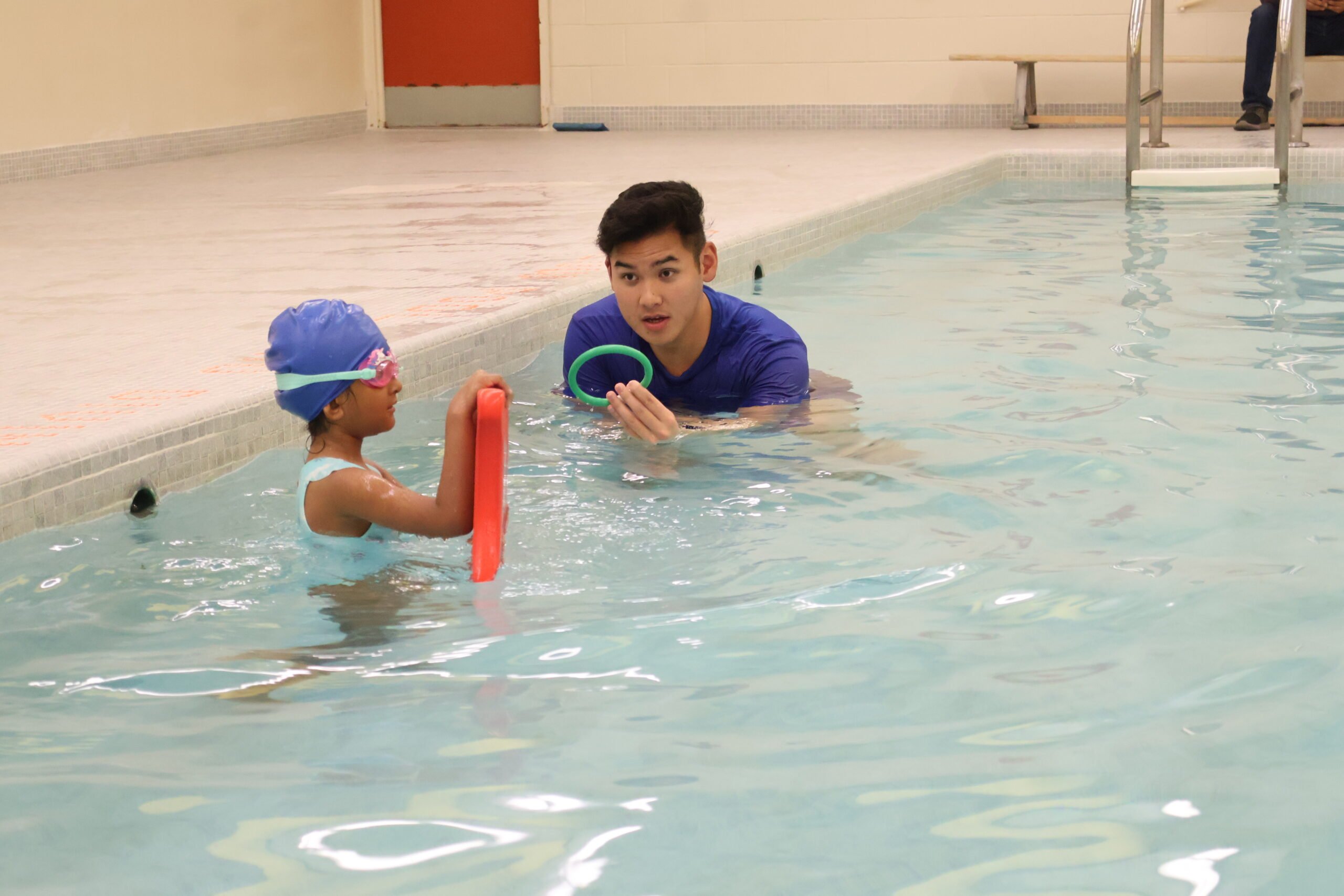

What is the Ideal Age for Kids to Begin Swim Lessons Safely and Effectively?
As a lifeguard and swim instructor, one of the most common questions I get from parents is, “What’s the ideal age for kids to begin swim lessons safely and effectively?” It’s a great question—and one that every parent of a young child should ask. Swimming isn’t just a fun activity; it’s a lifesaving skill that can make a big difference in your child’s safety, confidence, and overall development. Let’s dive into the details to help you decide the best time to get your little one started.
Why Swim Lessons Are Crucial for Young Children
Safety First
As much as we’d love to think accidents won’t happen, drowning remains one of the leading causes of injury-related deaths in children. According to the CDC, drowning is the second leading cause of unintentional injury death in kids aged 1-4. Early swim lessons are one of the best ways to reduce this risk. Teaching children how to float, kick, and safely exit the water gives them essential skills that could save their lives.
I’ll never forget a toddler I worked with named Mia. Her parents started lessons when she was just two years old. A year later, Mia fell into a backyard pool during a family gathering. Because of her lessons, she knew how to turn onto her back and float until her parents could get to her. That’s the kind of peace of mind every parent deserves.
Developmental Benefits
Swim lessons do more than just teach safety. They help kids grow physically, emotionally, and socially. Swimming builds coordination, strengthens muscles, and improves cardiovascular health. It also encourages resilience as kids learn to try new things, overcome fears, and celebrate progress.
Parents often tell me they notice their kids becoming more confident after a few lessons. One mom shared how her son, who was hesitant to even dip his toes in the pool, eventually started tackling challenges outside of swimming, like trying new foods and playing with new friends. It’s amazing how learning to swim can ripple into other areas of life.
Understanding Age Milestones for Swimming
Infants (6 Months to 2 Years)
For the youngest swimmers, swim lessons are less about technique and more about getting comfortable in the water. Parent-and-baby classes are perfect for this age group. These sessions focus on water acclimation, teaching babies how to feel at ease while practicing simple skills like kicking and blowing bubbles. At this stage, the goal isn’t swimming independently but building familiarity and reducing fear.
Keep in mind that infants lack the coordination for true swimming, but these early experiences lay the foundation for future learning. Plus, it’s a fantastic bonding activity for parents and their little ones.
Toddlers (2 to 4 Years)
This is when things start getting exciting! Toddlers can begin learning basic water safety skills, like floating on their backs, kicking, and even “jumping” into the pool with assistance. At this age, many kids are ready to participate in more structured lessons, though play-based learning is still key to keeping them engaged.
I’ve taught toddlers who were timid at first but became little fish by the end of a few weeks. A fun trick is singing songs while practicing skills—“Row, Row, Row Your Boat” was always a favorite in my classes!
Preschoolers (4 to 6 Years)
If you’re wondering when to enroll your child in formal swim lessons, preschool age is a sweet spot. At this stage, kids are typically better at following instructions, coordinating their movements, and staying focused. They can start learning proper swimming techniques, like arm strokes and breathing.
One student I worked with, Ethan, came to me at age 5. Within a couple of months, he could swim across the pool unassisted. His parents were amazed at how quickly he progressed, and Ethan’s confidence skyrocketed. Preschoolers are often eager learners, making this an ideal age to build strong swimming skills.
School Age (6 Years and Older)
If your child hasn’t started swimming yet, don’t worry. It’s never too late! Older children tend to pick up skills faster because of their improved strength and ability to understand instructions. Whether your child is starting fresh or refining their technique, swim lessons are valuable at any age.
Key Factors to Consider When Deciding
Your Child’s Readiness
Every child is different, and readiness matters more than age alone. Signs your child may be ready for swim lessons include:
- Showing interest in water activities.
- Willingness to follow simple instructions.
- Comfortable being in the water with a parent or instructor.
If your child is nervous, that’s okay. A supportive, patient approach can help them feel more at ease over time.
Your Involvement
Your attitude toward swimming can influence your child’s experience. Be an active participant, especially in the early stages. Model enthusiasm for the water and celebrate their progress. If your child sees you enjoying the process, they’re more likely to feel positive about it, too.
Choosing the Right Program
Look for a swim school with certified instructors, small class sizes, and a focus on safety. Don’t hesitate to observe a class or ask questions before enrolling. A good program will tailor lessons to your child’s individual pace and needs.
Common Concerns and Misconceptions
“Is My Child Too Young or Too Old?”
No! Swim lessons can benefit kids at any age. While starting young can build a strong foundation, older children can often make rapid progress because of their physical and cognitive development.
“Will My Child Develop a Fear of Water?”
Not if the lessons are done right. A gentle, supportive approach helps prevent fear. Never force your child into the water—instead, encourage them to take small steps at their own pace.
“How Long Will It Take for My Child to Learn?”
Every child is unique, and progress depends on factors like age, personality, and consistency. Some kids master basic skills in weeks, while others take longer. Patience is key!
Expert Tips for a Smooth Start
Prepare Your Child
Before lessons begin, help your child get comfortable with water at home. Let them splash in the bathtub or play in a shallow pool. Talk positively about swimming and what they can expect in their lessons.
Consistency Matters
Regular practice is essential for skill retention. Aim to attend lessons consistently and reinforce what they’re learning during family swim time.
Be Patient and Encouraging
Celebrate every milestone, no matter how small. Your enthusiasm and encouragement will keep your child motivated to keep going.
Conclusion
So, what’s the ideal age for kids to begin swim lessons safely and effectively? It depends on your child’s readiness and your family’s goals. Early exposure to water is beneficial, but it’s never too late to begin. The most important thing is to take the plunge and give your child the gift of safety, confidence, and fun around water. Ready to get started? Find a swim program near you and make a splash today!


