Build confidence, refine technique, and move forward with purpose through structured instruction designed for steady advancement in the water. These lessons focus on clear skill development at every stage, helping swimmers progress with control and consistency. Start your next phase with guidance that delivers measurable improvement.
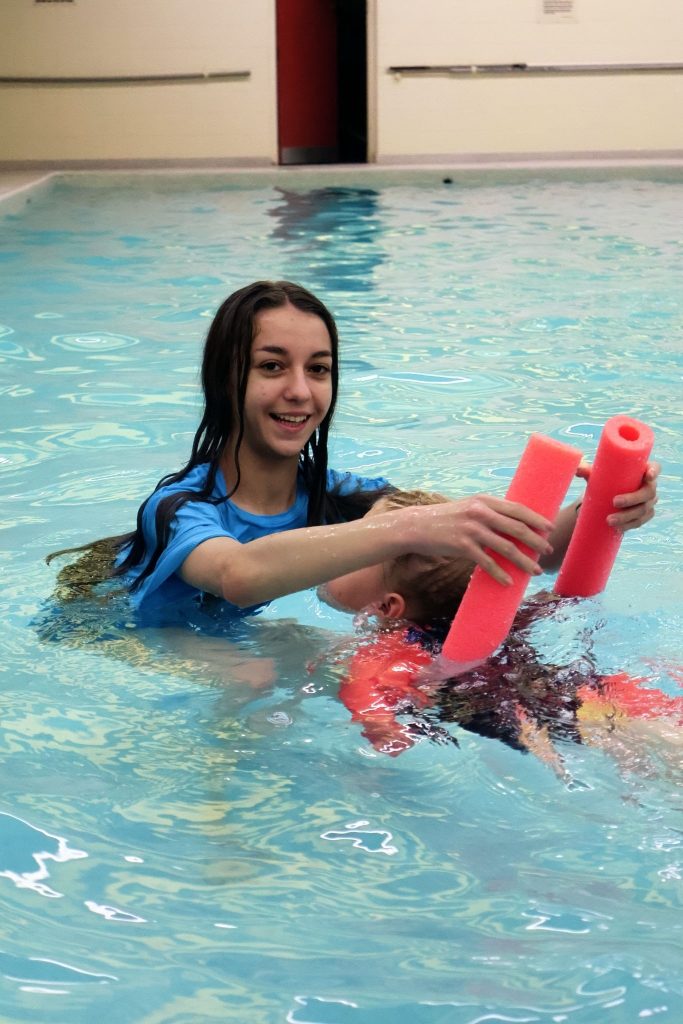
Lessons begin with an assessment to determine current ability and define progression targets. Instructors then build a structured plan using drills, guided repetition, and real-time feedback.
Sessions take place in controlled pool environments with clear lane space and appropriate depth. Tools such as kickboards, pull buoys, and fins may be used to isolate technique elements. Instruction focuses on observation, correction, and reinforcement to ensure each skill is executed correctly before progressing.
These lessons are structured around deliberate skill advancement, rather than general water familiarity. Each session targets defined milestones, from foundational movement to efficient stroke mechanics. The approach supports swimmers who want measurable progress with clear technical direction.
Training is adapted to the swimmer’s current ability, ensuring each phase builds naturally on the last. This creates a smooth progression path that develops confidence alongside physical capability.
Early stages focus on body position, breathing control, and basic propulsion. Instructors use repetition and guided drills to establish comfort and coordination. This phase sets the technical base for all future stroke work.
Intermediate swimmers work on freestyle, backstroke, breaststroke, and butterfly mechanics. Emphasis is placed on timing, alignment, and efficient movement through the water. Small adjustments lead to noticeable improvements in speed and control.
Sessions introduce structured laps, pacing strategies, and energy management. Swimmers learn how to maintain form over longer distances. This supports both recreational and performance-focused goals.
Higher levels focus on starts, turns, and stroke transitions. Instruction becomes more precise, with attention to detail and consistency. Swimmers leave with a polished, reliable skill set.
Working with a qualified instructor ensures each movement is taught correctly from the start. This reduces the need for correction later and supports steady advancement.
Swimmers gain stronger technique, improved endurance, and greater water confidence. The result is consistent performance that holds up across different swimming environments and goals.

Placement is based on an initial in-water assessment. Instructors evaluate comfort, technique, and control to assign the correct starting point. This ensures each swimmer begins at a level that supports steady improvement.
Progress depends on consistency and starting ability. Most swimmers notice improved coordination and confidence within a few sessions. Continued training builds stronger technique and endurance over time.
Standard swimwear, goggles, and a towel are required. Additional training aids are typically provided during sessions. Instructors may recommend optional gear as skills advance.
Expect structured sessions with clear goals, consistent feedback, and visible improvement over time. Lessons are paced to match individual development while maintaining forward momentum. This approach suits swimmers who want reliable progress and well-developed technique.
