
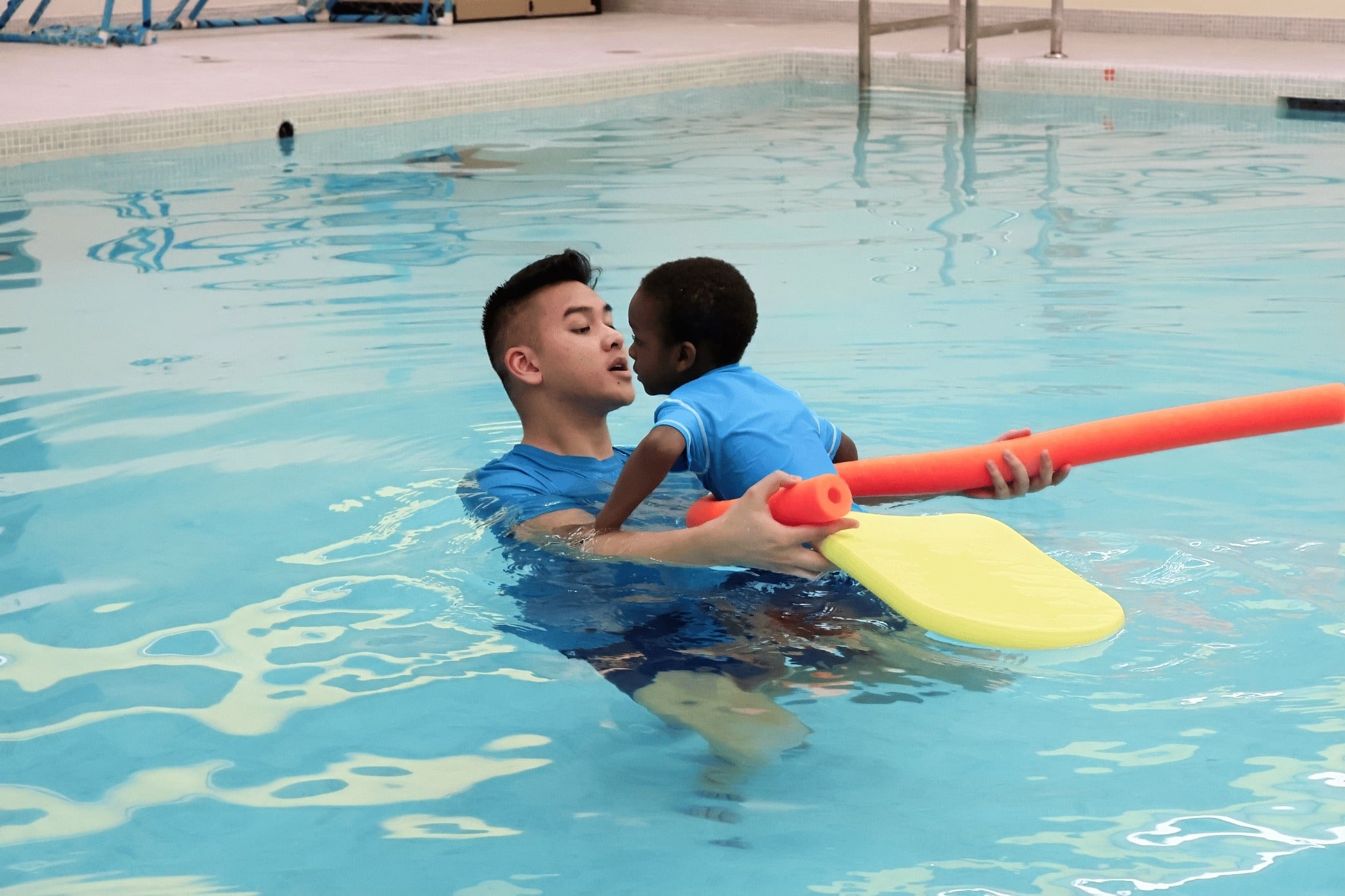

Splash Time: Fun Toddler Swim Classes
Swimming is more than just a fun activity—it’s a vital life skill and a fantastic way to bond with your little one. If you’re considering enrolling your toddler in swim classes, you’re not alone. Many parents are eager to introduce their children to the water early on. In this article, we’ll dive into what you can expect from toddler swim classes, how to choose the best program, and why it’s such a great idea for both you and your child.
The Benefits of Swim Classes for Toddlers
Physical Development
When my own daughter started her swim classes, I was amazed at how quickly she developed her motor skills. Swim lessons are fantastic for toddlers because they enhance coordination and strengthen muscles. The act of moving through the water helps build core strength, and those little kicks and splashes are actually great exercise. Plus, swimming is a low-impact activity that is gentle on developing joints.
Cognitive Growth
But it’s not just physical benefits. Swimming also stimulates your child’s brain. I remember one session where the instructor used colorful floating toys to teach shapes and colors. My daughter was not only learning to kick and float but also practicing her cognitive skills. The sensory experience of water—feeling it, hearing it, and even tasting it—can boost brain development and improve concentration.
Safety Skills
One of the most critical aspects of toddler swim classes is safety. It’s reassuring to know that my child is learning essential water safety skills from an early age. Instructors teach basic self-rescue techniques and help toddlers become comfortable with water. This early training can make a huge difference in preventing accidents and giving you peace of mind.
What to Look for in a Toddler Swim Program
Instructor Qualifications
When choosing a swim program, one of the first things to check is the qualifications of the instructors. Ideally, they should be certified in both swimming instruction and lifeguarding. I remember a class where the instructor shared a funny story about her early days as a lifeguard. Her stories made the lessons even more engaging and reassuring. Certified instructors not only teach swim techniques but also ensure that safety is always a priority.
Class Structure
Look for a class that offers a structured yet flexible curriculum. Classes should be age-appropriate, with activities designed to match your child’s developmental stage. Small class sizes are also crucial—they ensure that each child gets individual attention. My daughter’s class had just four kids, which allowed the instructor to focus on each child and tailor activities to their needs.
Facilities and Equipment
A clean, safe pool environment is a must. Check if the pool is well-maintained and if the facility uses proper hygiene practices. Also, ensure that the equipment, such as floatation devices, is in good condition. My local pool has a fantastic setup with colorful floating rings and soft mats that make the experience fun and safe for the kids.
Key Elements of a Successful Swim Class
Engaging and Fun Activities
Swim classes should be enjoyable for toddlers. The best programs incorporate games, songs, and playful exercises that keep children engaged. For instance, in my daughter’s class, the instructor used a “splash and sing” routine that had all the kids giggling and participating eagerly. Fun activities help toddlers look forward to each class and make learning to swim feel like a big adventure.
Parental Involvement
Parental involvement can make a big difference. Many programs encourage parents to be in the water with their child, which not only supports the child but also helps parents learn how to assist and encourage their little ones. I remember participating in the classes with my daughter and seeing her excitement when I was right there beside her. It also gave me a chance to learn the techniques and support her progress directly.
Progress Tracking
A good swim class should have a system for tracking progress. Instructors should provide regular feedback and set clear goals for your child. My daughter’s instructor kept us updated on her progress and even shared a small “report card” of sorts, highlighting what she had mastered and what she was working on. It was a great way to see how she was improving and to celebrate her achievements.
Preparing Your Toddler for Swim Classes
Introducing Water Comfort
Before classes start, it’s helpful to get your child comfortable with water. Simple activities like playing with a small pool or having bath time fun can help. We began with splash games in our backyard kiddie pool, which helped my daughter get used to the sensation of water on her face and body. It made her transition into formal swim classes much smoother.
Choosing the Right Swim Gear
The right swim gear can make all the difference. Comfortable, well-fitting swimwear is essential, and swim diapers are a must for toddlers who aren’t fully potty trained. Look for gear that your child feels good in and that is practical for swim lessons. I found that choosing bright, cheerful swimwear helped my daughter feel more excited about going to class.
Setting Realistic Expectations
Every child progresses at their own pace. It’s important to set realistic expectations and remember that some days might be better than others. My daughter had a few days where she was hesitant to get in the water, but we focused on celebrating small victories rather than stressing about setbacks. Positive reinforcement and patience are key.
Common Concerns and Solutions
Fear of Water
It’s natural for toddlers to have some fear of water. If your child is nervous, talk to the instructor about strategies to help them feel more comfortable. In our case, the instructor used gentle encouragement and playful distractions to help my daughter overcome her fear. Gradually, she became more confident and looked forward to her swim time.
Class Behavior and Participation
If your child is reluctant to participate or acts out, it’s important to address these issues calmly. Sometimes, a child might be tired, hungry, or just having an off day. Consistent encouragement and understanding can help them adjust. For us, making swim lessons part of a fun routine and praising my daughter’s efforts, no matter how small, made a big difference.
Making the Most of the Swim Class Experience
Building a Routine
Consistency is key. Try to integrate swim classes into your weekly routine to help your child get used to the schedule. We made swim days special with a little treat or outing afterward, which created a positive association with the class and kept my daughter excited about going each week.
Celebrating Achievements
Celebrate your child’s progress, no matter how small. Whether it’s mastering a new skill or simply gaining more confidence, acknowledging their achievements helps build self-esteem and enthusiasm. I made it a point to celebrate each new skill my daughter learned, which motivated her to keep trying and improving.
Conclusion
Toddler swim classes are a wonderful investment in your child’s physical and cognitive development, safety, and overall confidence. By choosing a quality program, preparing your child, and embracing the learning process, you’re setting the stage for many happy, splash-filled experiences. Explore local swim programs, ask questions, and find the perfect fit for your family. Dive in and enjoy the journey—your little one will thank you for it!
If you’re ready to start your child’s swim adventure, check out KJ Aquatics for more information on their programs. They offer a range of classes tailored to toddlers and can help you find the right fit for your family. For booking and scheduling, visit KJ Aquatics Appointment. Happy splashing!


