
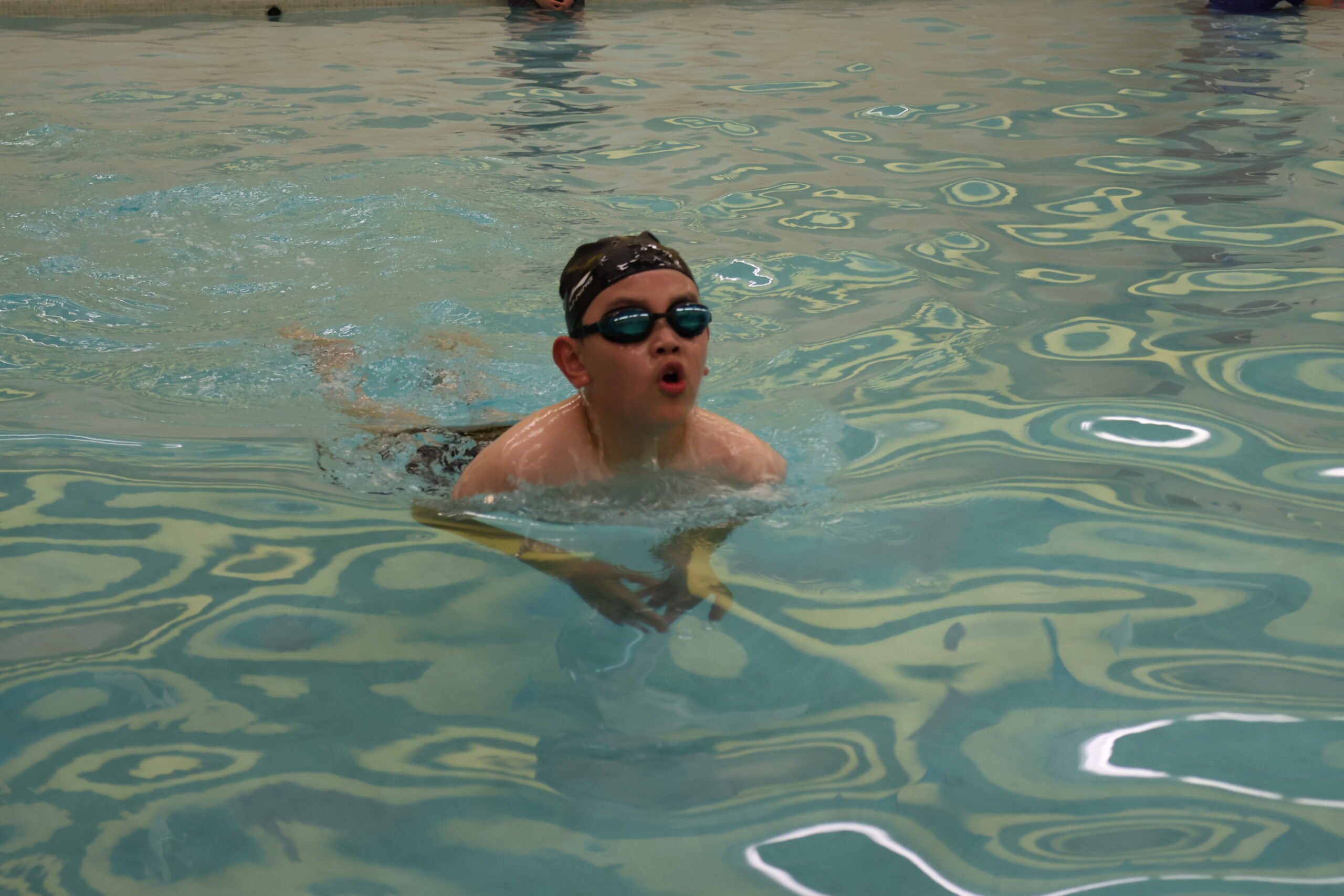

How Much Should a Beginner Swimmer Swim?
Starting a new activity like swimming can be exciting but also a little intimidating. If you’re a beginner wondering how much time you should spend in the water, don’t worry—you’re not alone. Balancing practice time with recovery and learning proper techniques is key to building a solid swimming foundation.
Factors to Consider When Setting Your Swimming Routine
Before diving into specific recommendations, it’s essential to consider several factors that influence how much you should swim as a beginner:
- Your Fitness Level: Are you already active, or are you starting from scratch? If you’re new to exercise, your sessions might be shorter initially.
- Goals: Are you swimming for fitness, to learn specific strokes, or simply to overcome fear of water?
- Schedule: How much time can you realistically dedicate each week without feeling overwhelmed?
- Access to Facilities: If you have regular access to a pool, it’s easier to swim frequently. If not, you’ll need to optimize each visit.
With these factors in mind, let’s explore how much time beginners should spend swimming and how to structure their sessions.
Recommended Swimming Duration for Beginners
A good starting point for beginner swimmers is two to three sessions per week, lasting 20-30 minutes per session. This duration allows you to:
- Build endurance gradually.
- Focus on mastering technique without overexerting yourself.
- Avoid burnout or injuries.
As your comfort level in the water improves, you can extend your sessions to 40 minutes and eventually an hour.
Structuring a Beginner Swim Session
To make the most of your swim time, structure your sessions with a mix of warm-ups, drills, and cool-downs:
- Warm-Up (5 Minutes): Start with light movements like floating, gliding, or a few easy laps to prepare your body.
- Skill Development (10-15 Minutes): Focus on one or two techniques. For example:
- Breathing coordination
- Kicking technique
- Basic freestyle or backstroke
- Practice Laps (5-10 Minutes): Swim laps at a comfortable pace, focusing on maintaining good form.
- Cool Down (5 Minutes): End with slow, relaxed movements and stretching to help your body recover.
Signs You’re Swimming the Right Amount
As you settle into your routine, monitor how your body feels during and after swimming. Here are signs you’re on the right track:
- You feel slightly tired but energized after sessions.
- Your swimming skills improve gradually.
- You recover well between sessions without feeling overly sore or fatigued.
If you’re experiencing excessive fatigue, scale back your frequency or duration.
Tips for Making Progress as a Beginner
To ensure steady improvement, incorporate these tips into your swimming journey:
- Take Rest Days: Your body needs time to recover, especially when building new muscles and endurance.
- Focus on Technique: Quality over quantity is critical. Perfecting your strokes early will prevent bad habits.
- Use Swim Aids: Tools like kickboards, pull buoys, and fins can help you practice specific skills without getting overwhelmed.
- Get Feedback: Consider joining a beginner swim class or working with a coach to identify areas for improvement.
When to Increase Swimming Frequency
Once you feel confident in the water and can swim for 30 minutes comfortably, you might consider adding a fourth session to your week. However, don’t rush this process—progress takes time, and overtraining can lead to burnout.
Final Thoughts
As a beginner swimmer, the key is consistency and patience. Start with manageable sessions, focus on learning proper techniques, and listen to your body. Over time, you’ll build the stamina and skills to swim longer and more frequently, turning this enjoyable activity into a lifelong passion.
Remember, swimming is a journey, not a race. Take it one stroke at a time, and enjoy every moment in the water!


