
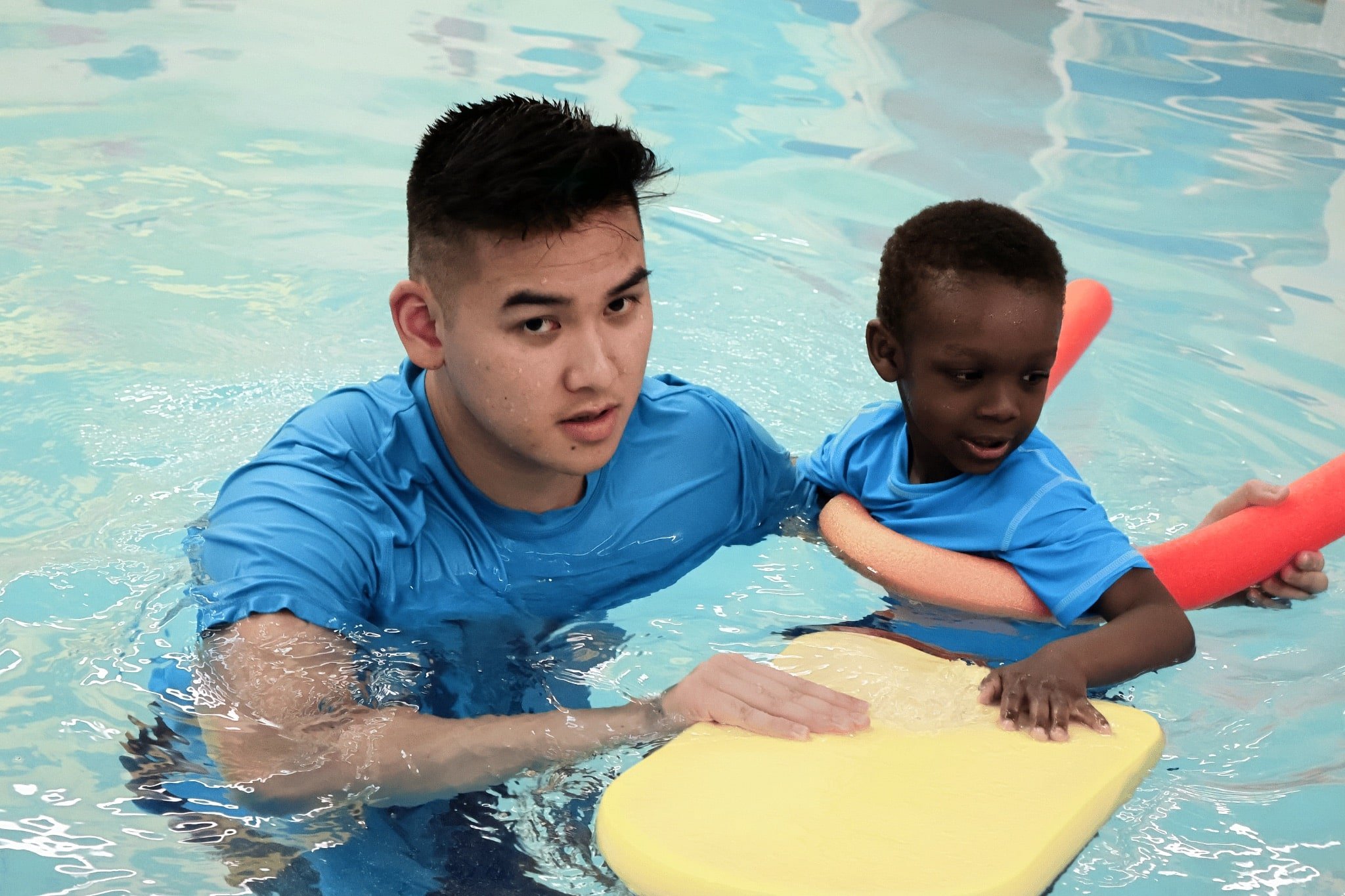

Swim Lessons in Winter? Here’s Why Timing Really Does Matter!
As a lifeguard and swim instructor, I’ve seen firsthand the incredible impact that seasonal swimming lessons can have on kids, not just in terms of skill development but in building confidence and ensuring safety in the water. Whether your child is just starting out or is already diving in with a bit of experience, the timing of their swim lessons plays a bigger role than you might think.
While it’s tempting to think of swim lessons as something you only need in the summer, swimming is a skill that can—and should—be developed year-round. Each season offers its own set of challenges and opportunities when it comes to swimming, so it’s important to think beyond just “the pool season.” In this article, I’ll share why seasonal swimming lessons benefits should be a year-round commitment, and why timing matters more than you might realize.
The Year-Round Benefits of Swim Lessons
Before we dive into the specifics of how timing plays a role in swimming lessons, let’s talk about the seasonal swimming lessons benefits. Why should swim lessons be a year-round activity?
1. Skill Retention
When kids take breaks from swimming, it’s natural for them to forget what they’ve learned. Just like any other skill, swimming requires consistent practice to avoid regression. I’ve had students who, after taking several months off from swimming lessons, showed noticeable decreases in their confidence and technique. But the good news is, with consistent practice, kids can continue to progress, even in the cooler months.
2. Water Safety
The most important reason to keep swimming lessons going year-round is for water safety. Drowning is a leading cause of accidental death for young children, and swim lessons give kids the skills they need to stay safe in the water. Learning how to float, tread water, and move effectively through the water isn’t just about being able to swim laps—it’s about survival. That’s why keeping up with swim lessons, no matter the season, is so critical. The seasonal swimming lessons benefits far outweigh any breaks.
3. Physical Fitness
Swimming is one of the best forms of exercise for children, offering a full-body workout that improves strength, coordination, and cardiovascular health. And because it’s a low-impact sport, it’s easy on the joints. Winter weather might not be ideal for running around outside, but a trip to the indoor pool can help keep kids active and healthy during the colder months, ensuring they continue to reap the benefits of seasonal swimming lessons.
Why Timing Matters: Early Lessons and Developmental Windows
You might be wondering when is the best time to start swim lessons for your child. The truth is, the earlier the better! Swimming is a lifelong skill that takes time to develop, so it’s important to start early and build on skills over time. That said, every age and developmental stage brings its own set of advantages when it comes to swimming.
Infants and Toddlers (Ages 6 Months to 3 Years)
You might be surprised to learn that swim lessons for babies and toddlers are not only about getting your little one to swim. At this age, the focus is primarily on comfort and safety in the water. Babies are naturally buoyant, which makes this the perfect time to get them used to the water and build their water safety instincts. You’ll also start introducing them to basic skills like kicking and holding onto the side of the pool.
I’ve worked with parents who enrolled their babies in water acclimation classes, and I’ve seen how it helps foster trust and comfort in the water, which is vital for future lessons. Trust me, a child who has been introduced to the water early is less likely to develop a fear of it later on!
Preschoolers (Ages 3 – 5 Years)
By the time children reach preschool age, they’re ready to start learning basic swimming techniques. This is the perfect window for them to learn skills like floating on their backs, blowing bubbles, and practicing basic kicks and arm movements. Early exposure to these skills helps create a solid foundation for future lessons.
I remember one of my students, a 4-year-old named Ellie, who started swimming lessons at age 3. At first, she was hesitant about putting her face in the water, but after just a few months of regular lessons, she was confidently floating on her back and even swimming short distances. That confidence in the water carried over into her other activities, and now she’s a little fish in the pool every summer!
School-Aged Children (Ages 5 – 10 Years)
As children get older, swimming lessons become more focused on refining technique and building stamina. At this age, they can work on mastering strokes like the freestyle, backstroke, and breaststroke. Kids can also start learning more advanced skills like treading water, diving, and even learning how to rescue others in an emergency situation.
But while skill development is a big part of swim lessons at this stage, I’ve seen firsthand how important it is to keep lessons fun. One of my students, Noah, was incredibly focused on mastering the butterfly stroke, but he also loved games like “shark attack” (where kids have to swim quickly to the other side of the pool while avoiding a “shark”). Mixing in games with technical drills helped him stay engaged and excited to continue lessons year-round.
Seasonal Challenges and How to Overcome Them
Swimming lessons in the winter? Yep, you read that right! While it might seem like swimming is just a summer activity, each season has its own unique benefits and challenges when it comes to swim lessons.
Winter: Staying Consistent Despite the Cold
Winter often means a break from outdoor swimming, but don’t let the cold weather cause you to put your child’s swim lessons on pause. Consistent practice is key, even during the colder months. Indoor pools are a great option for keeping your child’s skills sharp, and you can continue to work on technique and safety without worrying about the chilly weather.
I’ve worked with many parents who enroll their children in indoor swim programs during the winter, and they’ve seen the benefits come spring and summer. Consistency means that when swim season rolls around, your child won’t have to re-learn what they’ve already mastered.
Spring and Summer: Taking Advantage of Outdoor Pools
When the weather warms up, outdoor pools become a great place to practice skills and build confidence in deeper water. Summer is the perfect time to get your child more comfortable in larger pools and help them develop stamina and endurance through longer swim sessions.
However, one common mistake I see is parents who stop lessons once summer is over. While it’s tempting to take a break from lessons in favor of playing at the beach or poolside, taking breaks during the fall and winter months can lead to skill regression. It’s important to keep the momentum going to ensure the seasonal swimming lessons benefits don’t fade.
Fall: Transitioning Back to Indoor Pools
As the weather cools down and outdoor swimming becomes less feasible, it’s important to continue lessons indoors. Fall can be a great time to transition back to an indoor swim program to keep skills sharp. Plus, it’s a good opportunity to reinforce skills that may have waned over the summer break, like treading water and learning how to swim in choppier or colder conditions.
Tips for Parents: Keeping Kids Engaged Year-Round
1. Create a Consistent Schedule
One of the biggest factors in successful swimming lessons is consistency. Whether it’s weekly or bi-weekly lessons, keeping a regular schedule will help your child continue progressing without interruptions.
2. Make It Fun
Children are more likely to stay engaged in swim lessons if they’re having fun. Incorporate games, rewards, and challenges into your child’s lessons to keep them excited about swimming year-round.
3. Encourage Water Activities at Home
While you may not have access to a pool every day, you can still encourage water play at home. Bath time, sprinkler play, or trips to local water parks can reinforce skills and build comfort with water.
Conclusion: Swim Lessons for a Lifetime
The bottom line is that seasonal swimming lessons benefits should be a year-round commitment for your child’s safety, confidence, and skill development. Whether you’re starting with your baby or refining your school-age swimmer’s technique, consistent lessons throughout every season will set your child up for success.
Remember, swim lessons aren’t just about learning how to swim—they’re about building confidence, ensuring safety, and giving your child a life skill that will serve them for years to come. So, no matter the season, keep swimming and make those lessons count!


