Build calm, controlled floating ability with structured teen swim coaching that turns uncertainty into steady, confident movement on the water. KJ Aquatics focuses on body position, breath control, and balance so teens can rest, recover, and transition smoothly between skills. Book a session to see consistent progress in a supportive, well-managed pool setting.
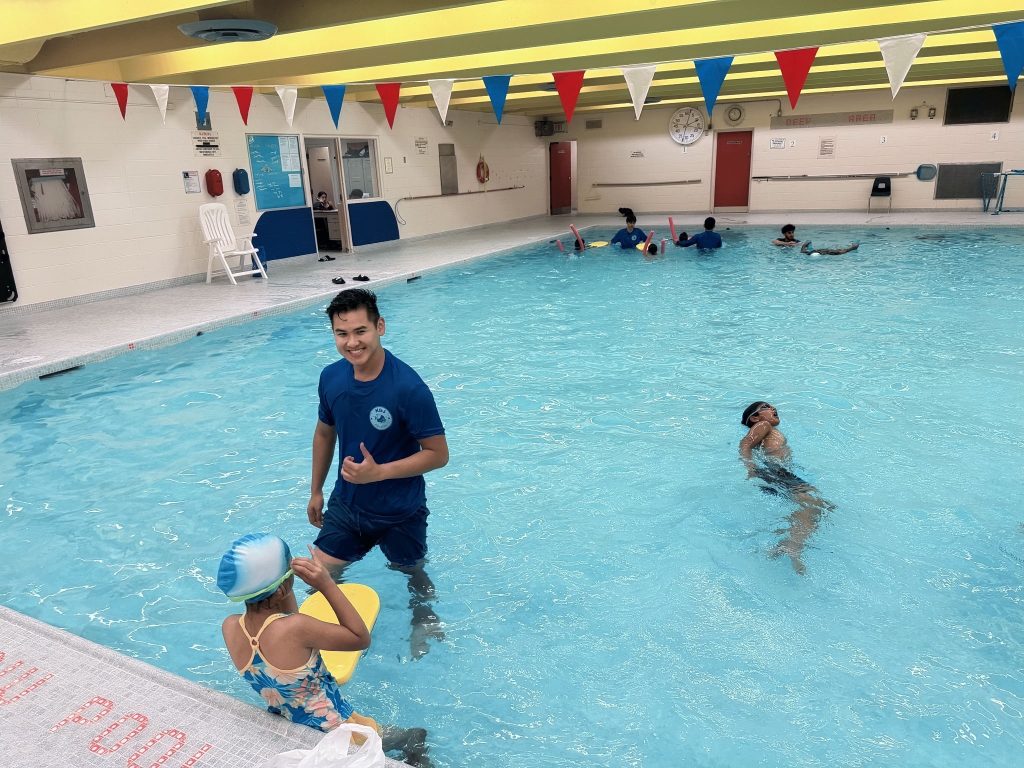
Lessons begin with a short assessment of buoyancy, breathing habits, and comfort level. Instructors use kickboards, pull buoys, and minimal hand support to guide position without overreliance. Drills progress from assisted holds to independent floats, then to transitions and light propulsion. Water depth, lane space, and session tempo are managed carefully to keep practice focused and safe, with clear cues and immediate feedback.
This programme develops neutral buoyancy, relaxed breathing, and stable body alignment so teens can float without strain. Sessions are paced for adolescent learning, combining clear cues with repeatable drills. Instructors adjust depth, support, and feedback to match each swimmer’s comfort and progression.
Teens learn head position, ear submersion, and ribcage expansion to maintain a level back float. Simple breath patterns reduce tension and help the hips rise. Practice includes still floats and gentle sculling to hold position.
Front floating focuses on a long spine, light kick, and controlled exhale into the water. Swimmers use visual markers and hand placement to keep balance. The goal is a quiet, stable body line that can transition into strokes.
In deeper water, teens practise safe entries, vertical to horizontal transitions, and recovery floats. Techniques allow brief rests between lengths and calm repositioning. Instructors supervise closely and scale tasks to ability.
Skills are applied in lanes, leisure pools, and simulated open-water conditions. Variable depths, gentle currents, and lane traffic are introduced gradually. This prepares teens to maintain float control in different environments.
Consistent floating reduces wasted effort and supports smoother stroke development. Teens gain the ability to pause, reset, and continue without fatigue spikes. With qualified coaching, technique becomes repeatable, energy use improves, and overall water confidence grows in a measured, reliable way.

Many teens achieve short, stable floats within a few sessions. Consistency improves over several weeks as breathing and body alignment become automatic.
Standard swimwear, goggles, and a towel are sufficient. Any additional training aids are provided and used only when they support correct technique.
Yes. Coaching starts in comfortable depths with gradual progression. Clear instruction and close supervision help teens relax and build control at their own pace.
Sessions are typically 30 to 60 minutes, once or twice per week for steady progress. Instructors outline goals, track technique cues, and adjust drills as skills improve. Parents and teens receive simple guidance to reinforce breathing and posture between lessons, supporting consistent, long-term results.
