Refine technique, build efficiency, and gain real control in the water with focused coaching designed for teens ready to progress. These lessons target stroke mechanics, timing, and endurance so each lap feels smoother and more powerful. Book a session to start improving with structured, professional guidance.
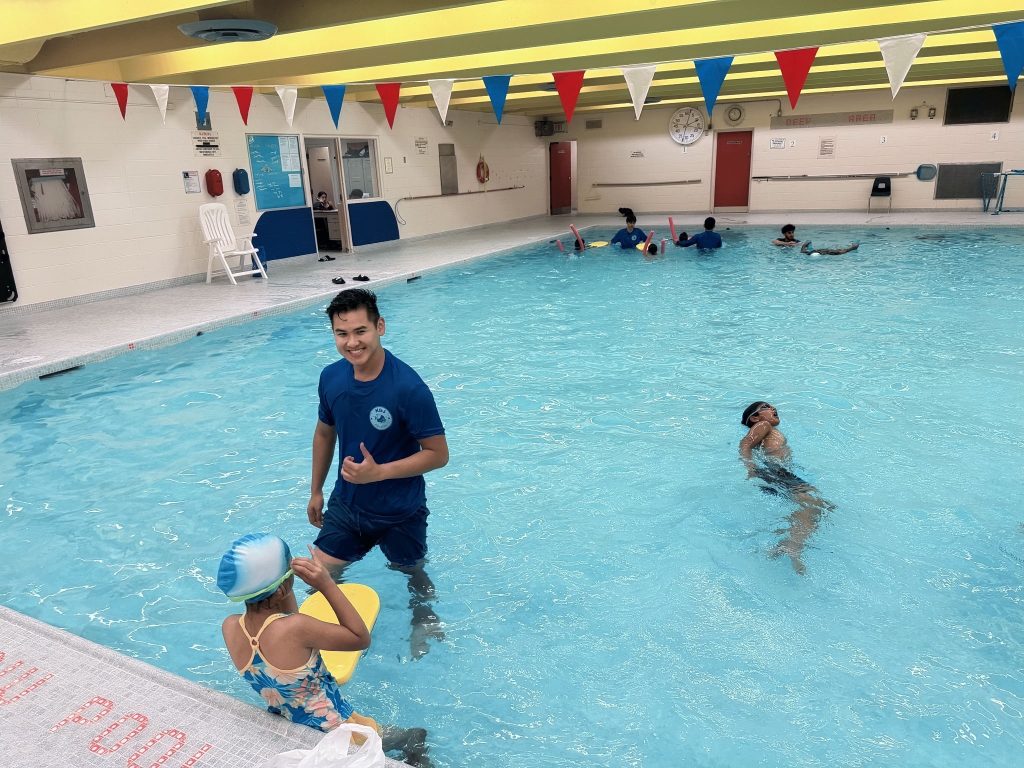
Sessions begin with a focused warm-up, followed by drill sets targeting specific stroke elements such as catch, kick, and timing. Coaches use tools like kickboards, pull buoys, fins, and pace clocks to isolate and train key movements. Progression is tracked through repeat sets, timed efforts, and technique checkpoints, ensuring steady development.
This programme focuses on technical development across all major strokes, using structured drills and coached repetition. Sessions are designed for teens who can swim but want cleaner technique, better pacing, and stronger overall performance. Training adapts to school swimmers, club athletes, and recreational teens seeking measurable progress.
Swimmers preparing for meets work on stroke efficiency, starts, turns, and pacing strategies. Coaches break down each phase of the stroke to improve propulsion and reduce drag. Video feedback and timed sets support consistent, trackable gains.
Lessons align with common school and club expectations, helping teens meet performance standards and training demands. Emphasis is placed on repeatable form, breathing patterns, and interval awareness. This supports confident participation in structured team environments.
Teens who swim casually develop smoother strokes and better endurance through guided drills. Sessions focus on balance, body position, and rhythm, making longer swims feel controlled and efficient. The result is a more enjoyable and capable swim experience.
Small group formats allow swimmers to learn alongside peers while receiving individual corrections. Coaches tailor sets to different ability levels within the same lane. This keeps sessions engaging while maintaining technical focus for each swimmer.
Qualified coaching translates technique into reliable performance. Swimmers learn how to hold form under fatigue, maintain consistent splits, and execute clean turns. Over time, this leads to smoother strokes, improved speed, and better energy use across training and competition.

Teens should be comfortable swimming at least one length of the pool. From there, coaching scales to ability, whether refining basics or advancing competitive technique.
Many swimmers feel changes in control and efficiency within a few sessions. Measurable improvements in speed and endurance typically follow with consistent attendance.
Freestyle, backstroke, breaststroke, and butterfly are all addressed. Sessions may focus on one stroke at a time or rotate depending on goals and training plans.
Expect structured sessions, clear feedback, and progressive training sets each week. Consistency is key, with most swimmers attending one to three sessions weekly. Coaches provide guidance on pacing, drills, and optional practice between lessons to support continued improvement.
