

For decades, traditional chlorine systems have been the go-to solution for residential and swimming school pools across Canada. But in recent years, saltwater pools in Canada have surged in popularity — offering a gentler, more sustainable, and lower-maintenance alternative. Whether you’re a homeowner thinking about upgrading your backyard pool or a facility manager looking for healthy swimming options, understanding the key differences between saltwater and chlorine systems can help you make an informed choice.
In this guide, we’ll break down how saltwater systems work, the chlorine pool benefits that still make them relevant, and why many Canadians are shifting toward saltwater solutions for a cleaner swimming experience.
1. How Each Pool System Works
Saltwater Pools: The Science of Self-Cleaning
Despite the name, saltwater pools in Canada aren’t filled with ocean water. Instead, they use a process called electrolysis to convert dissolved salt (sodium chloride) into chlorine naturally. The system includes a salt cell generator that continuously produces just enough chlorine to keep the water clean and bacteria-free.
This means swimmers enjoy crystal-clear water without the harsh chemical smell or eye irritation common in heavily chlorinated systems. Once installed, the system maintains itself by recycling the same salt molecules — making it more sustainable in the long term.
Traditional Chlorine Pools: Tried and Tested
Traditional chlorine systems rely on manually added chlorine — in liquid, tablet, or powder form — to disinfect pool water. The chemical eliminates bacteria, algae, and contaminants effectively. The method has been the standard for public, private, and swimming school pools for generations due to its reliability and simplicity.
While chlorine systems require more frequent chemical balancing and storage of hazardous materials, they remain one of the most accessible and affordable options for new pool owners.
2. Comfort and Health: The Swimmer’s Experience
A major reason homeowners are moving toward saltwater pools in Canada is the improvement in comfort and overall health. Saltwater systems create a smoother, silkier swimming experience that’s easier on the body.
Skin and Eye Health
Saltwater pools are gentler on the skin and eyes because they maintain a lower chlorine concentration. Instead of exposing swimmers to direct chlorine chemicals, the pool generates it gradually — reducing the harshness often associated with traditional systems. This makes saltwater systems a top pick among healthy swimming options, especially for families with young children or individuals with skin sensitivities.
Traditional chlorine pools, on the other hand, can cause dryness, red eyes, and irritation if not balanced properly. However, they can be just as safe when maintained consistently — one of the enduring chlorine pool benefits.
Respiratory Comfort
Saltwater pools also improve air quality around the pool area. Since there’s no buildup of chloramines (the byproducts of chlorine reacting with contaminants), there’s less chemical odor and fewer respiratory irritants. This is particularly beneficial for indoor pool environments or swimming schools, where air circulation may be limited.
3. Maintenance: Effort, Cost, and Convenience
Saltwater Systems: Less Frequent, More Predictable Maintenance
Saltwater systems automate chlorine production, meaning you’ll spend less time adding chemicals and testing levels. Once the generator is installed, it only needs occasional cleaning and inspection — typically every few months.
Although saltwater pools in Canada may have a higher upfront installation cost (mainly due to the salt generator and corrosion-resistant equipment), the reduced need for chemical purchases over time helps balance out the expense. Many pool owners find that ongoing costs are comparable, or even cheaper, in the long run.
Chlorine Systems: Lower Upfront, Higher Maintenance
Traditional chlorine systems are less expensive initially but require regular monitoring, chemical balancing, and manual chlorine additions. Fluctuations in water temperature, sunlight exposure, and usage can all impact chlorine levels. For swimming school pools, which handle high swimmer volumes and variable usage patterns, chlorine systems offer predictable control but can be labor-intensive. On the plus side, replacement parts and chemicals are widely available — a key chlorine pool benefit for operators focused on accessibility.
4. Environmental Impact and Sustainability
Today’s pool owners care as much about sustainability as they do about comfort. This shift has made saltwater pools in Canada an appealing, eco-friendly alternative.
Lower Chemical Footprint
Because saltwater systems produce chlorine organically and recycle the same salt molecules, there’s less chemical runoff and packaging waste. No need for large quantities of chlorine tablets or liquid stored on-site — reducing both transportation emissions and environmental hazards.
Longer-Lasting Water Quality
Saltwater pools maintain consistent sanitation levels without chemical spikes, resulting in less water dumping or refilling throughout the season. This stability saves thousands of liters of water annually, aligning with Canada’s push toward greener home systems.
Traditional chlorine systems, though effective, rely heavily on chemical products and frequent refills. With careful management, they can still be operated responsibly — but require a higher level of diligence to minimize waste.
5. Equipment Durability and Longevity
The Salt Factor
Saltwater systems are gentle on swimmers but can be tough on certain metals, fixtures, and concrete surfaces over time. Salt is naturally corrosive, so components like ladders, light fixtures, and railings must be made from corrosion-resistant materials (such as stainless steel or resin-coated finishes).
Fortunately, most modern saltwater pool installations now include compatible materials that eliminate corrosion concerns. With proper upkeep, these systems can last for over a decade with minimal issues.
Traditional Pools
Chlorine systems don’t pose the same corrosion risks, making them more forgiving with standard equipment. However, chlorine can still fade pool liners or paint if overused — highlighting the importance of balance.
6. The Role of Swimming Schools and Community Centers
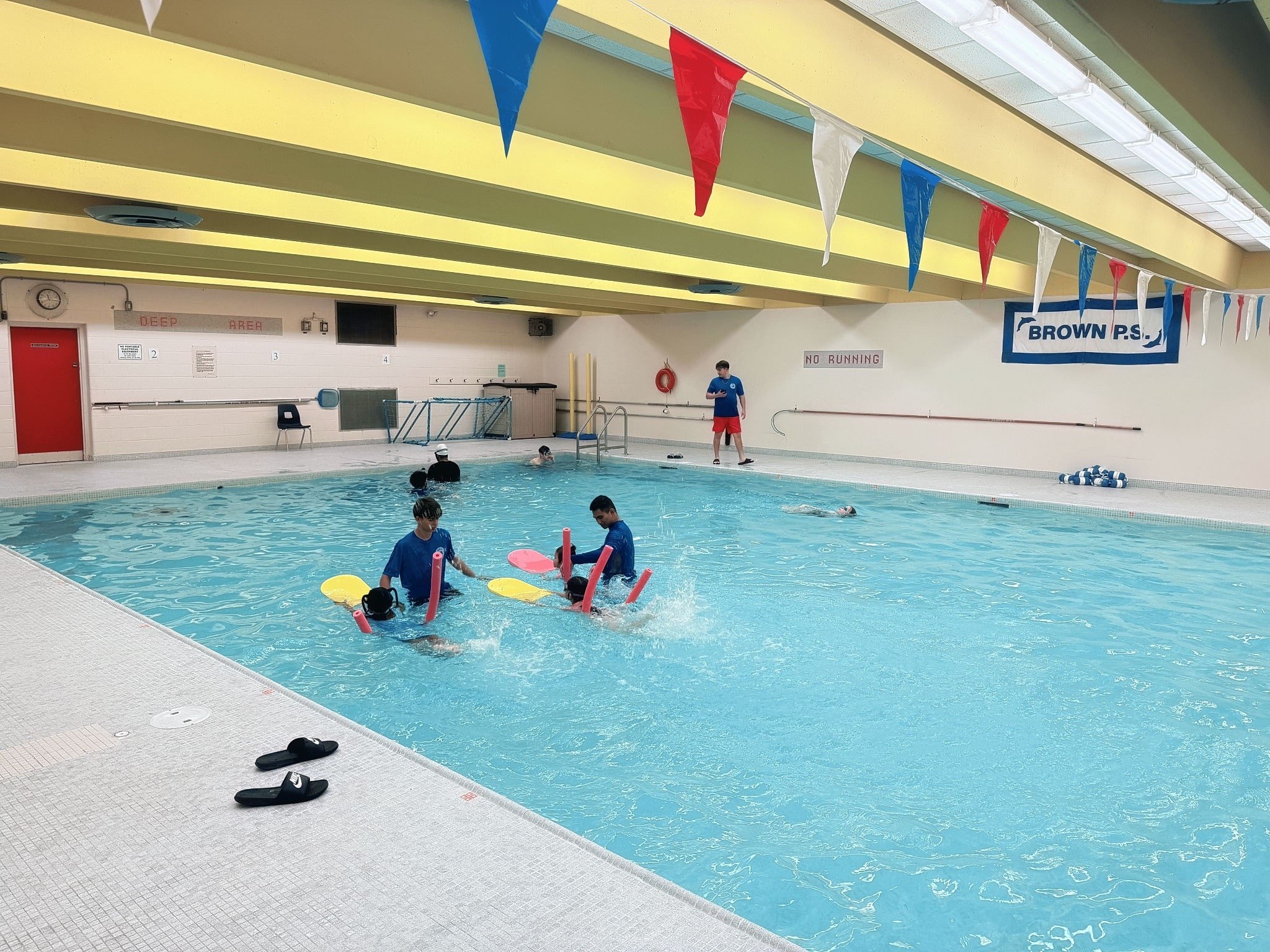
Many swimming school pools across Canada are reconsidering their sanitation systems in light of health, cost, and safety considerations. Here’s how each option stacks up in these high-traffic environments:
Saltwater in Educational Pools
Saltwater systems are increasingly favored by swimming instructors and schools as they provide a more natural swimming experience for students. The gentle water helps prevent red eyes during prolonged lessons — a key factor for healthy swimming options for children and beginners. Additionally, the automatic chlorine generation system keeps sanitation levels steady even during peak hours, reducing maintenance staff workload.
Traditional Chlorine Systems in Schools
Chlorine pools remain the dominant choice for commercial and educational facilities because they allow precise control over disinfection levels and respond quickly to sudden contamination (like high bather loads). They’re reliable, scalable, and familiar to operators — practical advantages that keep them relevant for swimming school pools nationwide.
7. Cost Comparison: Upfront vs. Long-Term
| Cost Factor | Saltwater Pool | Chlorine Pool |
|---|---|---|
| Initial Installation | Higher (salt cell, generator, corrosion-resistant gear) | Lower (standard pump and filter system) |
| Maintenance Costs | Low (fewer chemicals, automated sanitation) | Moderate (frequent chemical purchases) |
| Energy Use | Slightly higher due to the generator | Lower |
| Equipment Lifespan | Long-lasting with proper materials | Long, but requires ongoing chemical balance |
| Overall Value | Better comfort, sustainability, and convenience | Lower upfront cost, proven reliability |
Over 10 years, the costs tend to even out — but many Canadian homeowners find the improved comfort and simplicity of saltwater systems worth the investment.
8. Which Pool Type Is Right for You?
The choice between saltwater and chlorine depends on your priorities:
- For families and health-conscious swimmers: Saltwater offers a softer, skin-friendly experience and fewer irritants — perfect for households prioritizing healthy swimming options.
- For large facilities or competitive training pools: Traditional chlorine systems remain ideal due to control, fast response to contaminants, and lower upfront costs.
- For homeowners seeking sustainability, Saltwater pools Canada deliver the eco-friendly performance and convenience that align with modern lifestyles.
- For those on a tight budget, Chlorine pools remain practical, especially when proper maintenance routines are in place.
9. Key Takeaways
Both systems have their place — it’s not about which is “better,” but which fits your environment, usage, and values. In summary:
- Saltwater pools in Canada provide a luxurious, low-maintenance, eco-conscious experience.
- Chlorine pool benefits include affordability, wide availability, and rapid sanitation response.
- Swimming school pools often balance both approaches, using hybrid systems for optimal control and comfort.
- Prioritizing healthy swimming options ensures safer, more enjoyable experiences for every swimmer.
Ultimately, the right pool isn’t just about water chemistry — it’s about aligning with your long-term comfort, health, and lifestyle goals.
FAQ’s
Q1. Are saltwater pools safer for children and beginner swimmers?
A: Yes, saltwater systems are gentler on eyes and skin, offering a more comfortable environment ideal for children and beginners.
Q2. Which type of pool is easier for swimming schools to maintain?
A: Saltwater systems reduce manual chlorine management, but traditional pools remain easier for large-scale operations due to faster chemical control and lower initial setup costs.


