

Common Concerns About Swimming Lessons: What You Need to Know!
Introduction
Swimming is an essential life skill, but many parents have concerns when it comes to enrolling their child in swimming lessons. From safety worries to wondering if their child will enjoy the experience, these questions are completely normal. In this guide, we’ll address the most common concerns parents have about swimming lessons and provide helpful insights to ease your worries.
At What Age Should My Child Start Swimming Lessons?
One of the most common questions parents ask is, “When is the right time for my child to start swim lessons?” While the American Academy of Pediatrics (AAP) recommends starting formal lessons around age 1, every child is different. Some children are comfortable in the water at an earlier age, while others may need more time.
A good rule of thumb is to look for signs of readiness, such as a child’s comfort level in water, ability to follow instructions, and enthusiasm for learning. Many swim schools offer classes for infants, toddlers, and older children, making it easy to find a program that suits your child’s needs.
Are Swimming Lessons Safe for My Child?
Safety is always a top priority, and reputable swim schools take extensive measures to ensure a safe learning environment. Certified instructors, small class sizes, and age-appropriate teaching methods all contribute to a safe experience. Additionally, classes are designed to teach essential water safety skills, such as floating, treading water, and how to safely exit a pool.
As a parent, you can also enhance safety by ensuring your child is supervised during lessons, reinforcing safe water habits at home, and enrolling them in a program with experienced and qualified instructors.
Will My Child Be Comfortable in the Water?
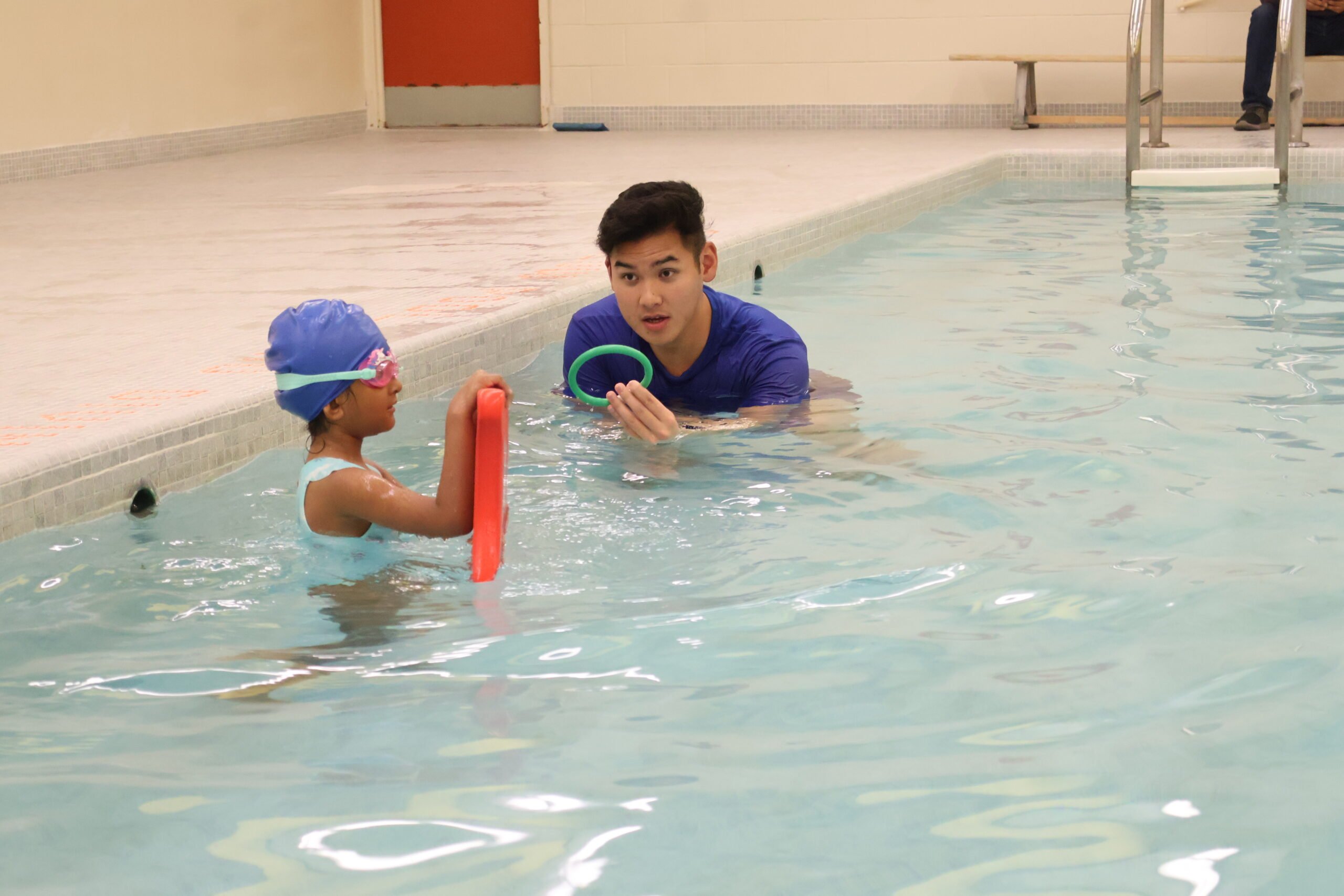
Some children are naturally drawn to water, while others may feel hesitant or even fearful. The good news is that swim lessons are structured to help children feel comfortable at their own pace. Instructors use fun, engaging activities to gradually introduce children to the water, helping them gain confidence over time.
Parents can support this process by allowing their child to explore water in a safe and positive environment, such as playing in a shallow pool with parental supervision before starting formal lessons.
How Long Does It Take for a Child to Learn to Swim?
Every child learns at their own pace, and the timeline for mastering swimming skills varies based on factors like age, frequency of lessons, and individual comfort levels. Some children take to swimming quickly, while others require more time and practice.
Consistency is key—regular practice and positive reinforcement help children progress steadily. Most swim programs offer ongoing classes to allow kids to build skills gradually and confidently.
What If My Child Is Afraid of the Water?
It’s not uncommon for children to be hesitant or fearful about swimming, especially if they haven’t had much exposure to water. To help your child overcome their fear:
- Start with gentle exposure, like playing with water in a bathtub.
- Use fun games and toys to make the water feel inviting.
- Allow them to observe other children enjoying swim lessons.
- Avoid forcing them into situations that feel overwhelming.
With patience and the right instruction, even the most water-shy children can learn to enjoy swimming.
Are Private or Group Lessons Better?
Choosing between private and group lessons depends on your child’s personality and learning style.
- Private Lessons: One-on-one instruction allows for personalized attention and can be ideal for children who need extra encouragement or have specific goals.
- Group Lessons: Small group settings can be more fun and interactive, helping children develop social skills while learning to swim.
Both options are effective, so the best choice depends on your child’s comfort level and how they learn best.
What Should My Child Wear and Bring to Lessons?
To ensure a smooth swimming lesson experience, make sure your child has the right gear:
- A well-fitting swimsuit
- Swim goggles (optional but helpful for water confidence)
- A towel
- A swim cap (for children with longer hair)
- A change of clothes
- Water shoes (if required by the swim facility)
Being properly equipped will help your child feel comfortable and prepared for their lesson.
How Can I Support My Child’s Learning Outside of Lessons?
Parental involvement plays a big role in a child’s swimming progress. Here are some ways to reinforce their learning:
- Encourage practice in a safe environment, such as a supervised pool visit.
- Play water-based games to make swimming fun.
- Offer positive reinforcement and celebrate small milestones.
- Watch instructional videos together to reinforce techniques taught in class.
By staying engaged, you can help build your child’s confidence and enthusiasm for swimming.
Conclusion
It’s natural for parents to have concerns about swim lessons, but rest assured that with the right program, instruction, and support, your child can develop essential swimming skills in a safe and fun environment. Addressing these common concerns will help you feel more confident in making the best decision for your child.
Ready to get started? Look for a local swim school and take the first step toward water safety and lifelong swimming skills today!


