
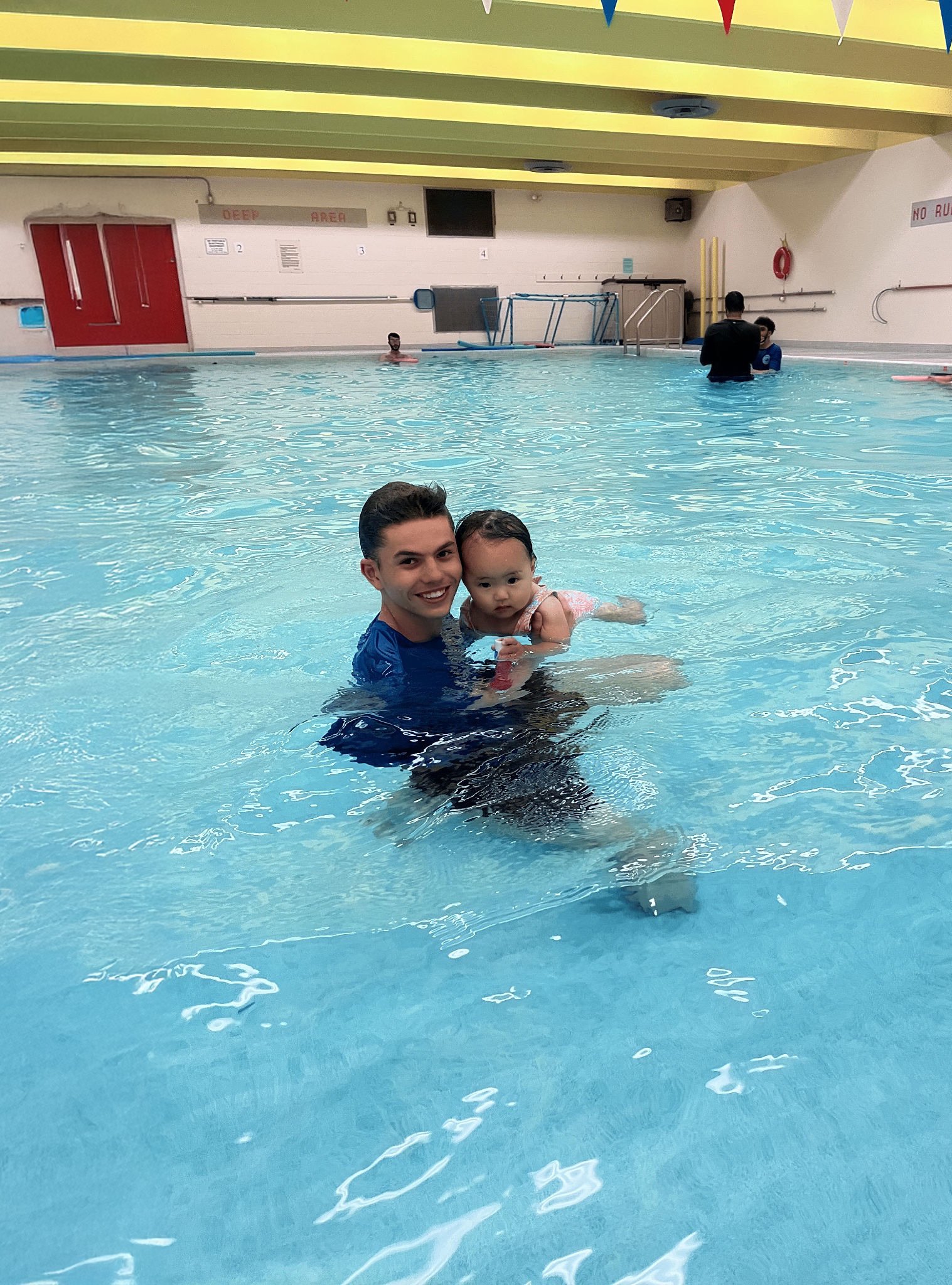

Swimming is more than just a fun activity for children—it’s a life skill that fosters safety, independence, and personal growth. For toddlers, early exposure to water through structured lessons can make a profound difference in how they approach challenges, interact with others, and develop self-esteem. Parents who search for toddler swimming lessons are often surprised at how much their children gain, not just in swimming ability, but also in confidence and resilience.
This blog explores why early swimming lessons are a powerful confidence builder and how parents can ensure their children benefit from this essential skill.
The Connection Between Swimming and Confidence
Confidence develops when children learn to trust themselves and their abilities. For toddlers, who are at a critical stage of learning and discovery, mastering new skills can shape how they view themselves. Swimming, in particular, provides a unique environment where toddlers experience challenges, learn at their own pace, and celebrate achievements in a supportive setting.
Why swimming is ideal for confidence-building:
- Tangible progress: From splashing to floating, toddlers can see their own growth.
- Encouragement-driven learning: Instructors often use positive reinforcement to make each step feel rewarding.
- Sense of safety: As toddlers become more comfortable in the water, they also feel more secure in their own bodies.
When children feel capable in the water, it carries over into their everyday lives—boosting independence and self-assurance in other activities.
1. Building Trust in Themselves and the Water
One of the biggest challenges toddlers face is unfamiliar environments. The pool can seem intimidating at first—loud echoes, splashing water, and the feeling of buoyancy. Through toddler swimming lessons, children gradually learn to trust the water and themselves.
They start with simple exercises like dipping their toes, blowing bubbles, or floating with support. Each small success helps toddlers understand that they can overcome initial fears. As this trust builds, so does their confidence—not just in swimming, but in their ability to handle new situations.
2. Encouraging Independence Through Skill Development
Toddlers love independence, and swimming provides the perfect platform to practice it. Unlike many other activities where parents hold full control, the pool allows toddlers to explore their own movements with guidance.
For example, in kids’ swim lessons, toddlers learn how to kick, float, and paddle on their own. These small steps give them a sense of accomplishment and ownership over their progress. Independence in the water translates into stronger self-belief on land.
3. Overcoming Fear and Anxiety
Fear of water is common, and helping toddlers face it early prevents it from becoming a lifelong challenge. Structured lessons help children gradually overcome these fears in a safe and controlled way.
Instructors often use games, toys, and songs to create a positive environment. When toddlers learn to associate water with fun, they’re more willing to try new skills. Each time they push past fear—whether it’s putting their face in the water or letting go of the pool’s edge—they gain courage and resilience that strengthens their confidence.
4. Positive Reinforcement and Social Growth
Confidence flourishes in environments where effort is acknowledged. Swimming instructors know the importance of praise and encouragement. Each smile, clap, or cheer makes toddlers feel proud of their progress.
Group sessions also allow toddlers to watch their peers. Seeing other children succeed encourages them to try new things, while also teaching patience and cooperation. When parents search for swim lessons near me, they often find that the social aspect is just as beneficial as the physical skills.
5. Private Swimming Classes for Focused Attention
While group lessons are great for social interaction, some toddlers thrive better with one-on-one instruction. Private swimming classes for toddlers ensure personalized attention, tailored teaching methods, and faster skill development. This setup can be especially beneficial for shy or anxious toddlers. With direct instructor focus, children gain confidence without feeling pressured by peers. Parents also appreciate the customized pace, knowing their child’s unique needs are being addressed.
Private sessions allow instructors to celebrate each achievement with immediate feedback, reinforcing the toddler’s confidence at every step.
6. The Role of Parents in Confidence-Building
Parents are key players in helping toddlers develop confidence in swimming. Their encouragement, presence, and patience reinforce what instructors teach.
Ways parents can support confidence during lessons:
- Cheer them on: A smile or a thumbs-up goes a long way.
- Stay patient: Some toddlers take longer to adjust—progress is progress.
- Practice outside lessons: Bath time can be used to reinforce skills like blowing bubbles or kicking.
When toddlers see that their parents are proud of them, their self-esteem grows even faster.
7. Long-Term Benefits Beyond the Pool
The confidence toddlers gain from swimming extends far beyond the water.
Life-long advantages include:
- Academic success: Confident children are more willing to try new things in school.
- Social skills: Learning alongside peers builds teamwork and communication.
- Emotional resilience: Overcoming water challenges teaches problem-solving and perseverance.
- Safety awareness: Toddlers who learn water safety early are better prepared in case of emergencies.
This foundation sets the stage for a lifetime of self-assurance and adaptability.
Choosing the Right Swim Program
Parents often wonder, “How do I find the best swim lessons near me?” The answer lies in evaluating programs for both safety and quality.
Here are key things to look for:
- Certified Instructors: Ensure they have training in child development and water safety.
- Small Class Sizes: Toddlers thrive with more personalized attention.
- Play-Based Learning: Games and songs make lessons fun and engaging.
- Progressive Curriculum: Skills should be built step-by-step to prevent overwhelm.
- Parental Involvement: Some programs encourage parents to join lessons, which boosts toddler confidence further.
Parents who prefer focused learning should also consider private swimming classes for toddlers, especially if their child has unique needs or struggles with group settings.
Frequently Asked Questions
Q1. At what age should toddlers start swimming lessons?
A: Most experts recommend starting as early as 1–3 years old, but lessons can begin whenever parents feel their child is ready.
Q2. How often should toddlers attend lessons?
A: Weekly lessons are common, but more frequent sessions can speed up confidence and skill development.
Q3. What if my child is afraid of water?
A: That’s normal! Professional instructors use gentle, playful methods to help toddlers gradually overcome fears in a safe, supportive environment.
Conclusion
Confidence is one of the greatest gifts you can give your child, and toddler swimming lessons are an excellent way to nurture it from an early age. Through independence, positive reinforcement, and overcoming challenges, toddlers not only learn to swim but also develop the courage and resilience to face life head-on.
Whether you choose group classes or private swimming classes for toddlers, investing in early swimming instruction creates lifelong benefits. The confidence they build in the pool will ripple into every area of their lives—making them stronger, braver, and happier as they grow. So next time you search for kids’ swim lessons or wonder about the best swim lessons near me, remember that you’re not just teaching your toddler how to swim—you’re giving them the foundation for self-belief and success that lasts a lifetime.


