
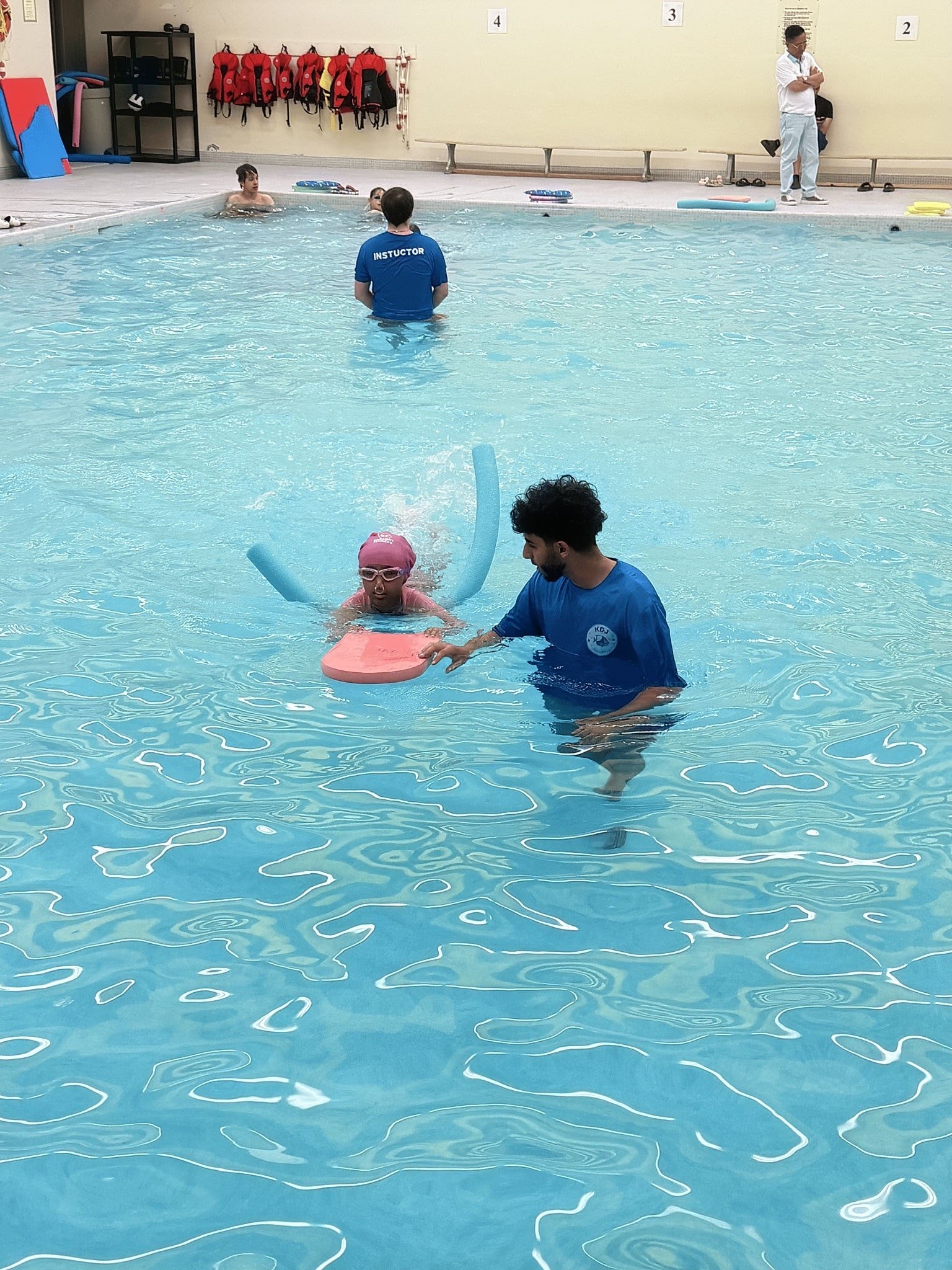

Swimming is more than just a fun activity—it’s an essential life skill. While many parents wait until their children are older to enroll them in swim classes, starting swimming lessons at a younger age offers numerous physical, mental, and emotional benefits. Whether it’s a few splashes in the tub or guided lessons at your local pool, early exposure to water can have a lasting impact on a child’s development.
In this article, we’ll explore the top benefits of introducing swimming lessons early, especially during infancy and toddler years. If you’re a parent considering whether your child is ready for the water, these insights might be exactly what you need.
1. Builds Water Confidence From an Early Age
Children who are introduced to water at a young age tend to be more comfortable and confident in aquatic environments. By starting early, swimming becomes a natural part of their routine rather than a scary or foreign experience later in life.
Programs such as baby swim lessons are designed specifically to ease little ones into water through games, gentle movements, and bonding with their parents. These positive early interactions set the foundation for a lifelong comfort around water.
2. Supports Physical Development
Swimming is a full-body workout that promotes coordination, balance, and muscle strength. For infants and toddlers, it helps develop motor skills like kicking, reaching, and moving through the water. These activities enhance core strength, flexibility, and even posture. Moreover, because water provides gentle resistance, children can build strength without putting stress on developing joints. Early swimming lessons allow kids to stay active in a safe and supportive environment, building healthy habits from a young age.
3. Enhances Cognitive Skills and Brain Development
It might be surprising, but swimming does more than just build muscles—it also strengthens the brain. Studies show that children who begin swimming classes for babies often experience early cognitive benefits, including improved memory, language development, and spatial awareness.
The multi-sensory experience of swimming—hearing water sounds, feeling different temperatures, moving their limbs—stimulates neurological connections. Combined with the focus and following of instructions that lessons involve, swimming becomes a great activity for nurturing mental growth.
4. Promotes Social Interaction and Emotional Growth
Enrolling your child in toddler swimming programs gives them the chance to interact with other children and adults in a structured but playful setting. These early group experiences help little ones develop social skills such as taking turns, following rules, and cooperating with others. Additionally, being in water with a trusted caregiver builds emotional security and boosts self-confidence. Children often beam with pride as they learn to float, paddle, or submerge their faces in water for the first time. These small victories build resilience and encourage a growth mindset from the beginning.
5. Teaches Water Safety Skills Early
One of the most important reasons to start swimming early is to teach your child basic water safety skills. Drowning is a leading cause of accidental injury-related death among young children, and early swimming education significantly reduces that risk.
In early swim programs, children learn how to float, find pool walls, and hold their breath—all crucial survival techniques. Parents also gain valuable knowledge about supervision, safety rules, and emergency response. These skills are vital whether you have a pool at home, visit the beach, or attend pool parties.
6. Strengthens Parent-Child Bonding
Many early swim programs encourage parents to participate alongside their children. These sessions become more than just skill-building—they’re a shared bonding experience. The physical closeness, eye contact, and positive reinforcement help build trust and emotional attachment. For busy parents, swim time can serve as an intentional one-on-one interaction that strengthens the parent-child relationship in a fun and meaningful way. It’s also a great opportunity to celebrate your child’s milestones and boost their confidence together.
7. Establishes a Lifelong Love for Health and Fitness
Habits formed early often last a lifetime. By making swimming part of your child’s routine from the start, you’re setting the stage for a healthy lifestyle. Swimming is an activity that people can enjoy at any age, from toddlerhood to retirement. Introducing swimming lessons early often leads to continued participation in water-based activities like competitive swimming, water polo, or even casual recreational swimming. It fosters an appreciation for movement, fitness, and outdoor activity that many carry into adulthood.
8. Provides Structure and Routine
Structured swim programs provide children with predictable routines. Regularly attending classes teaches discipline, punctuality, and consistency. These habits extend beyond the pool into other aspects of a child’s life, such as extracurricular activities. Children also begin to understand the importance of setting goals and working toward them—whether that’s blowing bubbles for the first time or completing a lap across the pool. This positive reinforcement encourages them to embrace new challenges with enthusiasm.
9. Boosts Sleep and Appetite
It’s no secret that active children sleep better, and swimming is a great way to burn energy in a fun and safe manner. The physical exertion of swim sessions can help babies and toddlers nap better and enjoy more restful nighttime sleep.
Additionally, many parents report an improved appetite following swim classes. The combination of physical activity and mental stimulation seems to increase a child’s nutritional needs, making mealtimes easier and more productive.
10. Fun, Engaging Learning Experience
Finally, the most obvious yet often underrated benefit—swimming is fun! The joy of splashing, learning, and moving freely in water creates an enjoyable experience that children look forward to each week.
Learning doesn’t have to be boring, and swimming lessons prove that. From playful songs to interactive games, children are engaged in learning without even realizing it. The positive association with learning sets the stage for future curiosity and growth.
FAQ
Q1. Why is it beneficial to start swimming lessons early?
A: Starting swimming lessons early helps children develop water confidence, improve motor skills, and learn water safety habits from a young age. It also supports physical and cognitive development.
Q2. What is the best age to begin swimming lessons?
A: Children can begin swimming lessons as early as 6 months old, depending on the program. At this age, lessons focus on water familiarity and basic movement rather than formal strokes.
Q3. Are early swimming lessons safe for babies and toddlers?
A: Yes, when taught by certified instructors in a safe, supervised environment, early swimming lessons are very safe and focus on gentle water introduction and bonding.
Q4. Do early swim lessons help prevent drowning?
A: Absolutely. Early lessons teach water safety and survival skills, significantly reducing the risk of drowning, especially for toddlers and young children.
Q5. Can swimming improve my child’s overall development?
A: Yes! Swimming promotes muscle strength, coordination, cardiovascular health, and even boosts cognitive skills like memory and focus. It’s a fun way to support whole-child development.
Final Thoughts
The decision to start swimming lessons early can be one of the most rewarding choices a parent makes. From building water confidence and enhancing physical development to fostering emotional resilience and safety awareness, the benefits are both immediate and long-term.
If you’ve been considering baby swim lessons or thinking about enrolling your toddler in a local program, now is the perfect time to take the plunge. Early exposure to water is not only a life skill—it’s a gift that supports your child’s well-being on every level.
Whether you’re looking for a way to bond, boost development, or build essential safety skills, swimming classes for babies offer it all in one engaging package. It’s not just about swimming—it’s about preparing your child for a strong, confident future.


